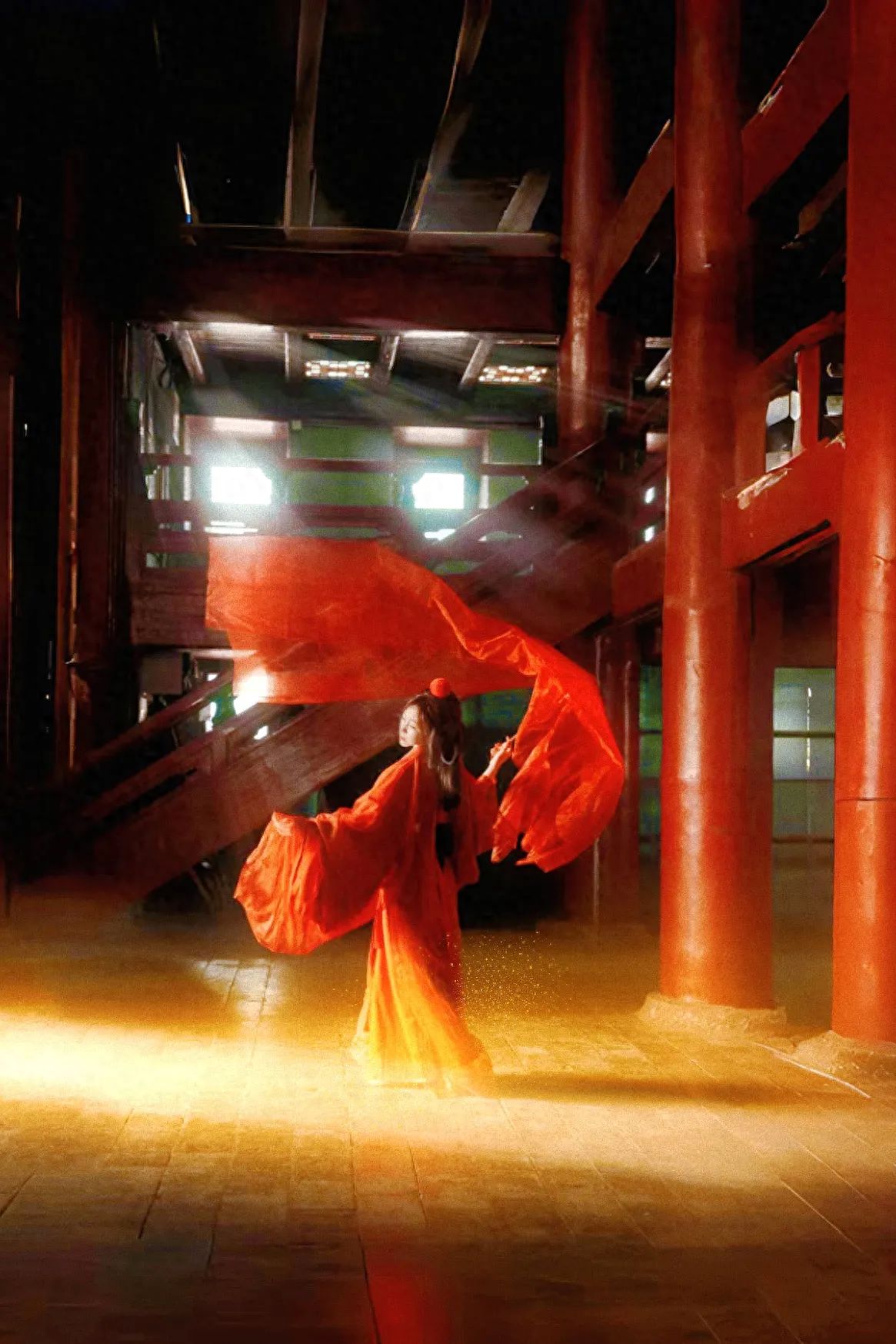
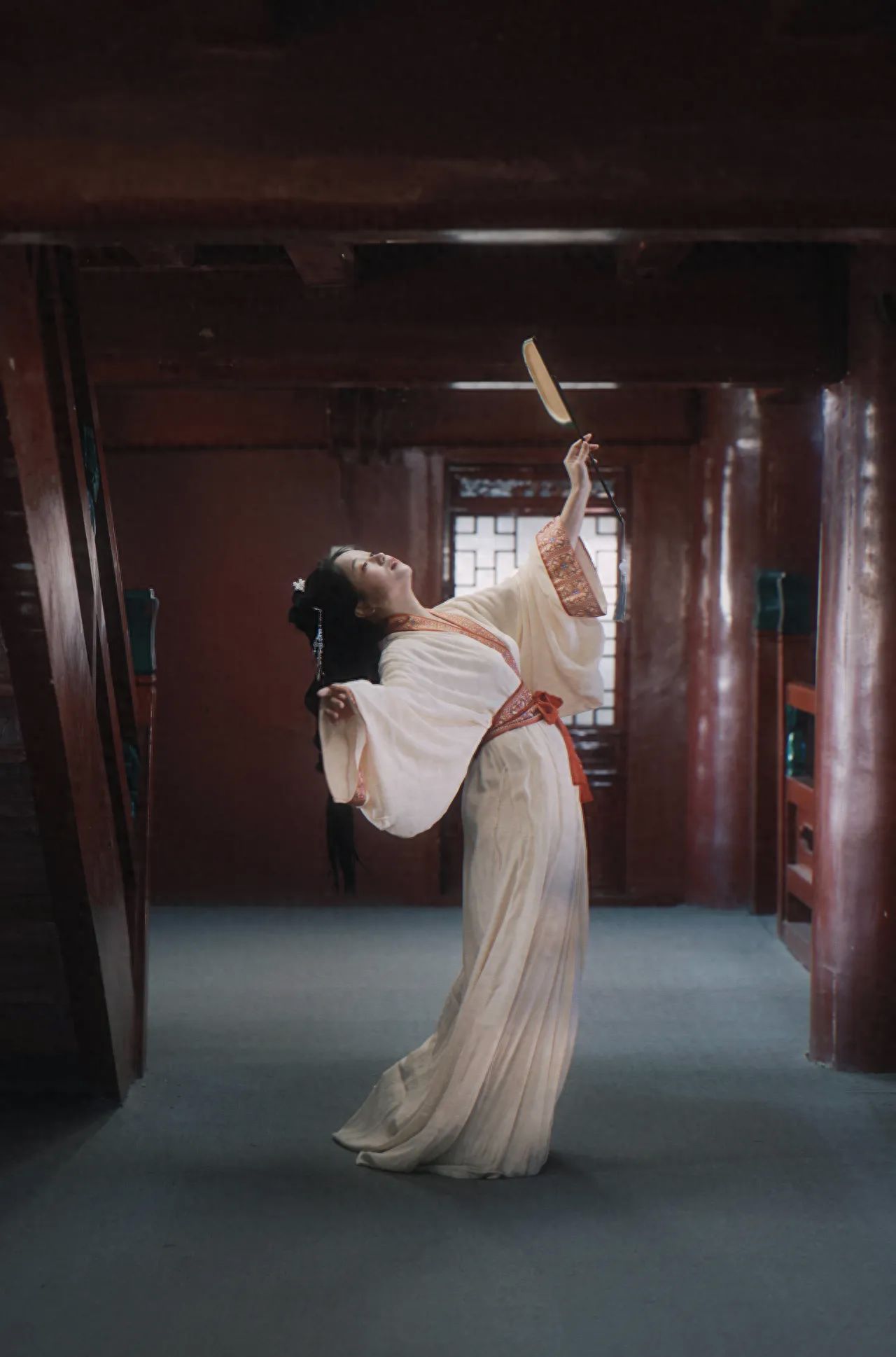
The photographer stands at a slight distance to the side and front of the model, shooting from a medium-low angle. Using a frame-within-a-frame technique, the architectural pillars and structures are utilized to highlight the model, with a medium-telephoto lens focusing on the subject’s movements.

1. Travel Tips: Tickets can be purchased on-site for $10 per person.
2. Other Tips: The best spots for portrait photography are inside the city gate, at the entrances of the two gates where light streams in, creating a spotlight effect. You can also use the background stairs for shots, which helps provide front lighting. The indoor lighting is relatively dim, so it’s recommended to bring a light.

Ming City Wall Ruins Park - In front of the red pillars indoors
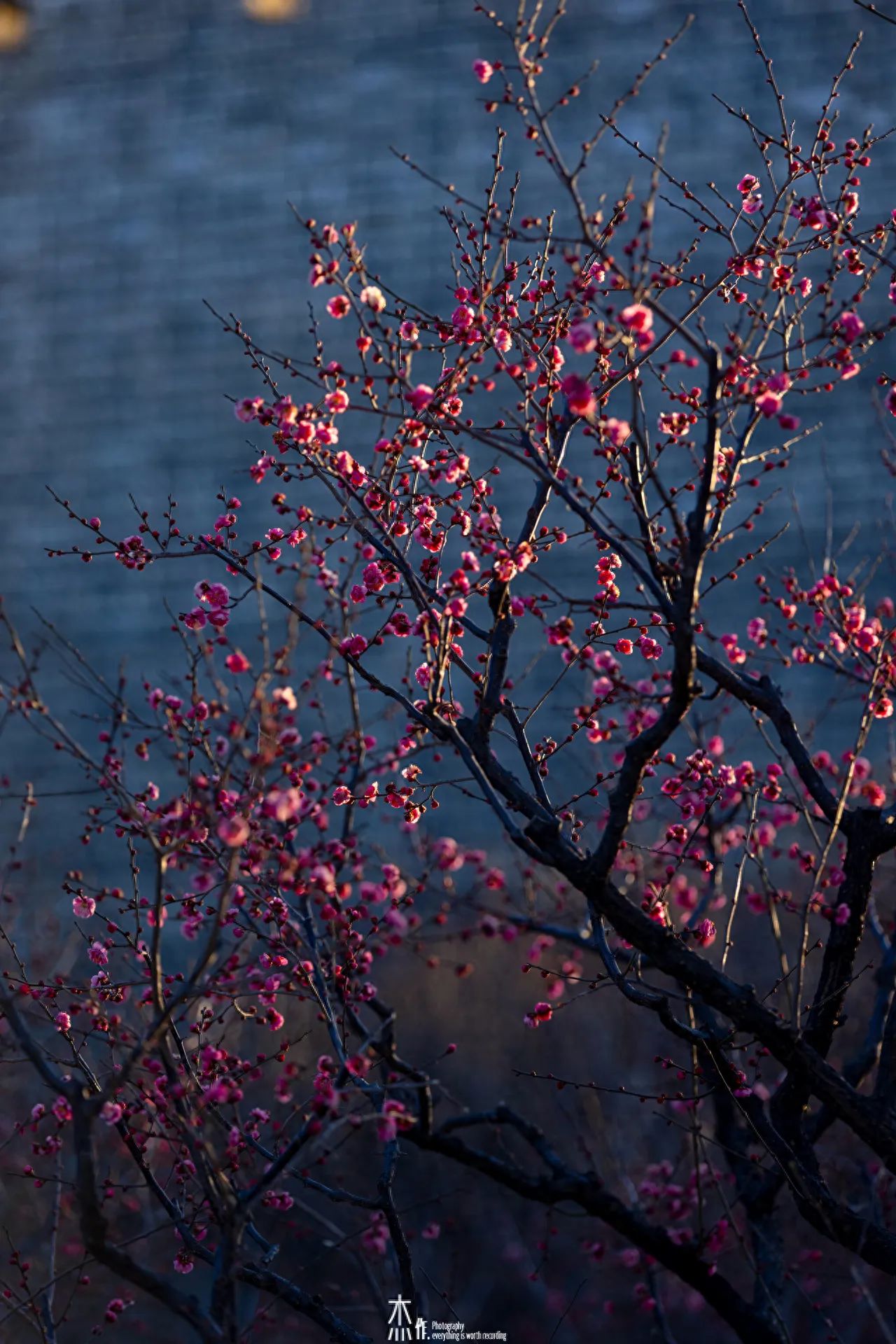
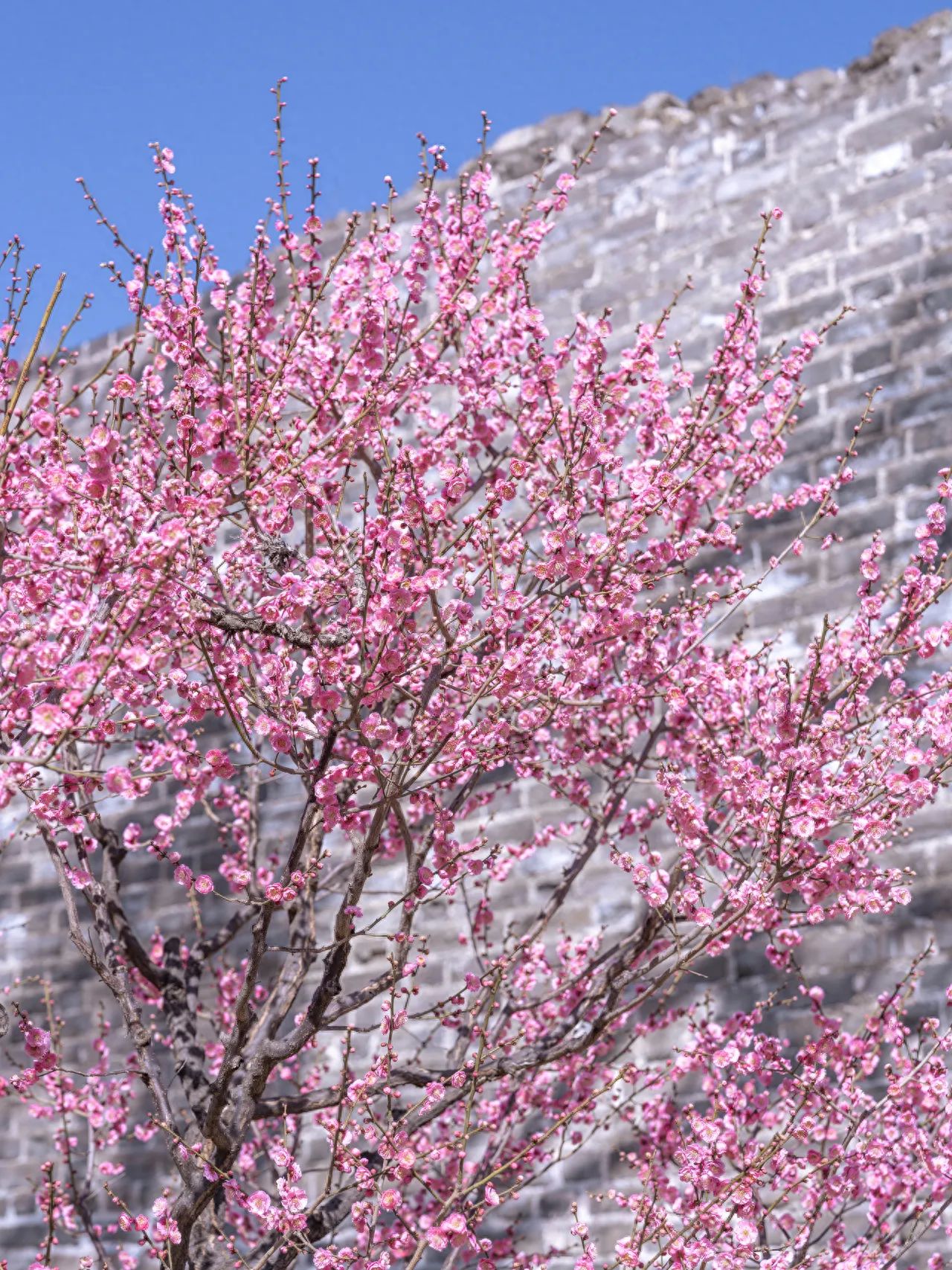
Photo by Ming City Wall Ruins Park - Meihua and City Wall
Ming City Wall Ruins Park - Meihua and City Wall

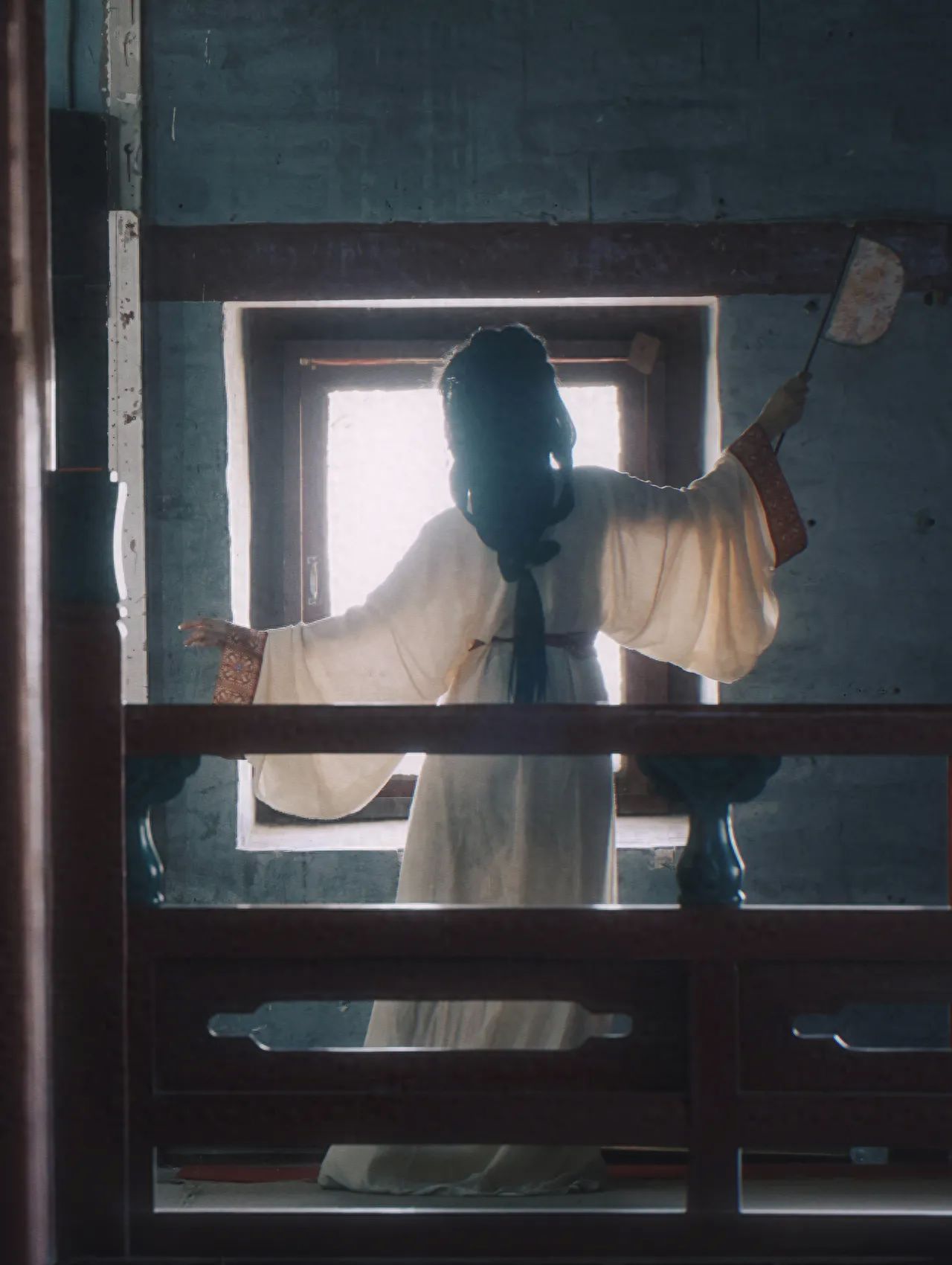
Photo by Beijing Ming City Wall Ruins Park - Take a Photo with Windows and Wooden Fences
Beijing Ming City Wall Ruins Park - Take a Photo with Windows and Wooden Fences

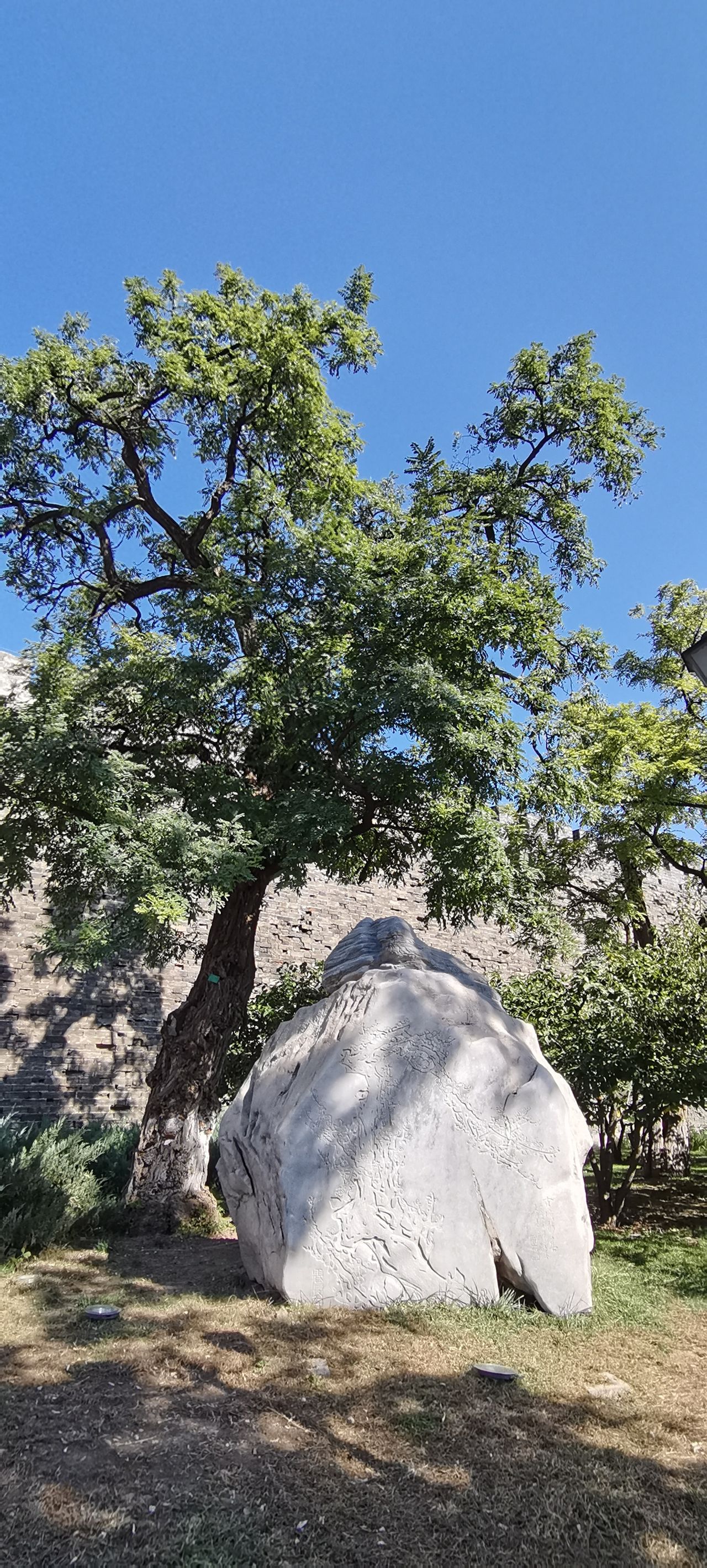
Photo by Ming City Wall Ruins Park - Relief Pattern Stones and Trees
Ming City Wall Ruins Park - Relief Pattern Stones and Trees

1. Shooting Angle: The photographer should crouch to shoot from a slightly lower position, directly facing the model, to highlight the elegance of the clothing and movements.
2. Composition Technique: Use a centered composition, leveraging the corridor frame to create a symmetrical feel, emphasizing the depth and classical atmosphere of the scene.
3. Lens Recommendation: A 50mm lens (camera) or 2x zoom (phone) is recommended to compress the space and enhance the prominence of the subject.

Beijing Ming City Wall Relics Park - Indoor Corridor

The model is positioned at the right one-third of the frame, with the photographer shooting at eye level. The foreground includes green plants on the left, while the model holds a coffee fan and stands naturally with a smile in the mid-ground. The background features a wall with calligraphy and red hanging plants above it, ensuring all elements are fully presented.

Ming City Wall Ruins Park - Taking a Photo with Indoor Wall-Mounted Plants
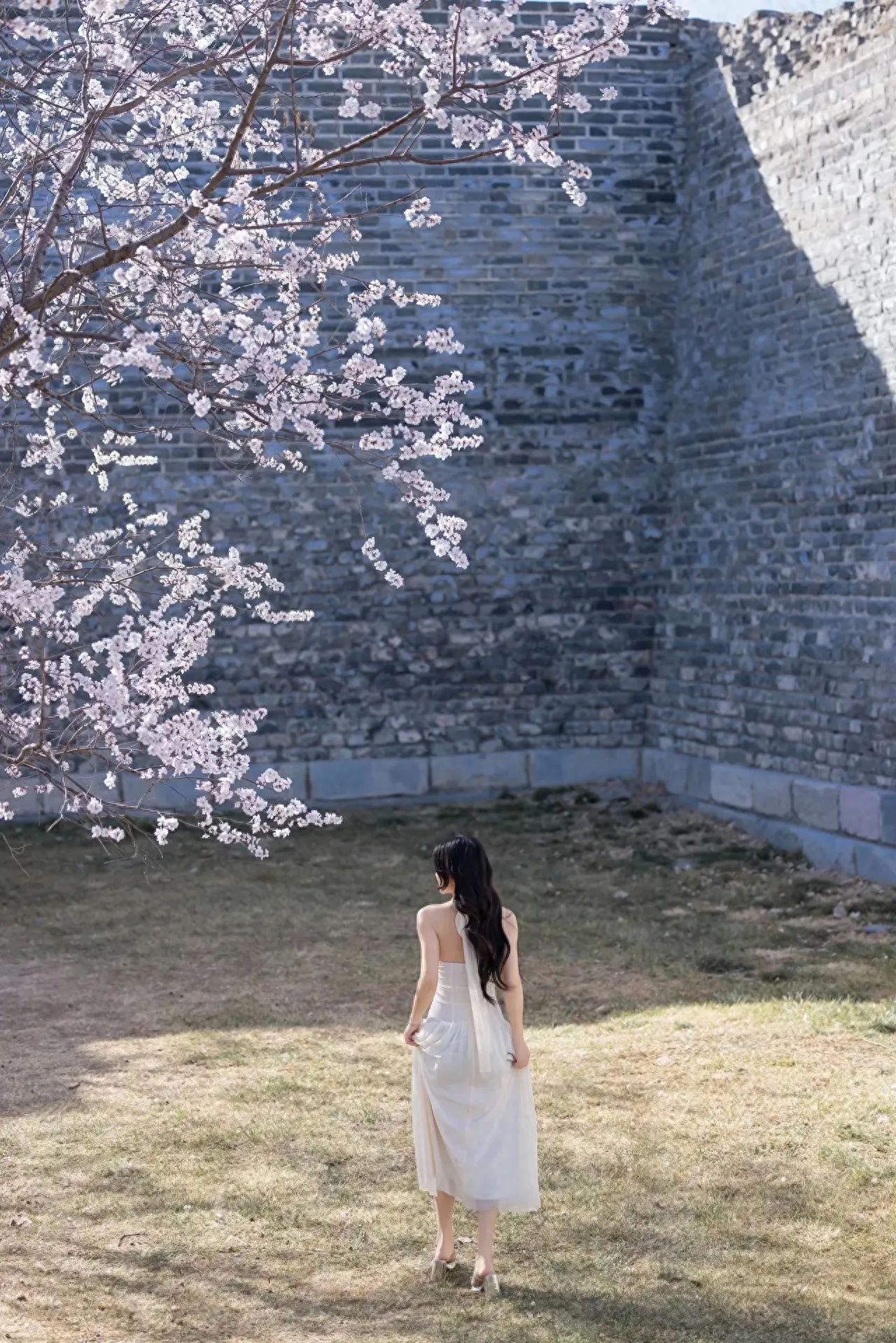
Let the subjects move naturally near the city wall and cherry blossom trees, with the photographer shooting from the side or slightly behind. Place the subjects at the golden ratio position in the frame to highlight the main subject. Use the blossoming cherry branches as a foreground frame to accentuate the subjects. Shoot at eye level to capture the natural scene, or slightly from below to add grace and elegance to the subjects. Use a medium or telephoto lens to blur the background and focus on the subject's posture. If you want to show the overall environment of the city wall and cherry blossom trees, a wide-angle lens can capture more scenery, enriching the layers and ambiance of the photo.

1. Props: Bring a small stool to avoid crowds.
2. Travel Tips: The shooting date is March 13, ideal for spring flower photography.

Beijing Ming City Wall Ruins Park - Plum Blossoms and City Wall Photos
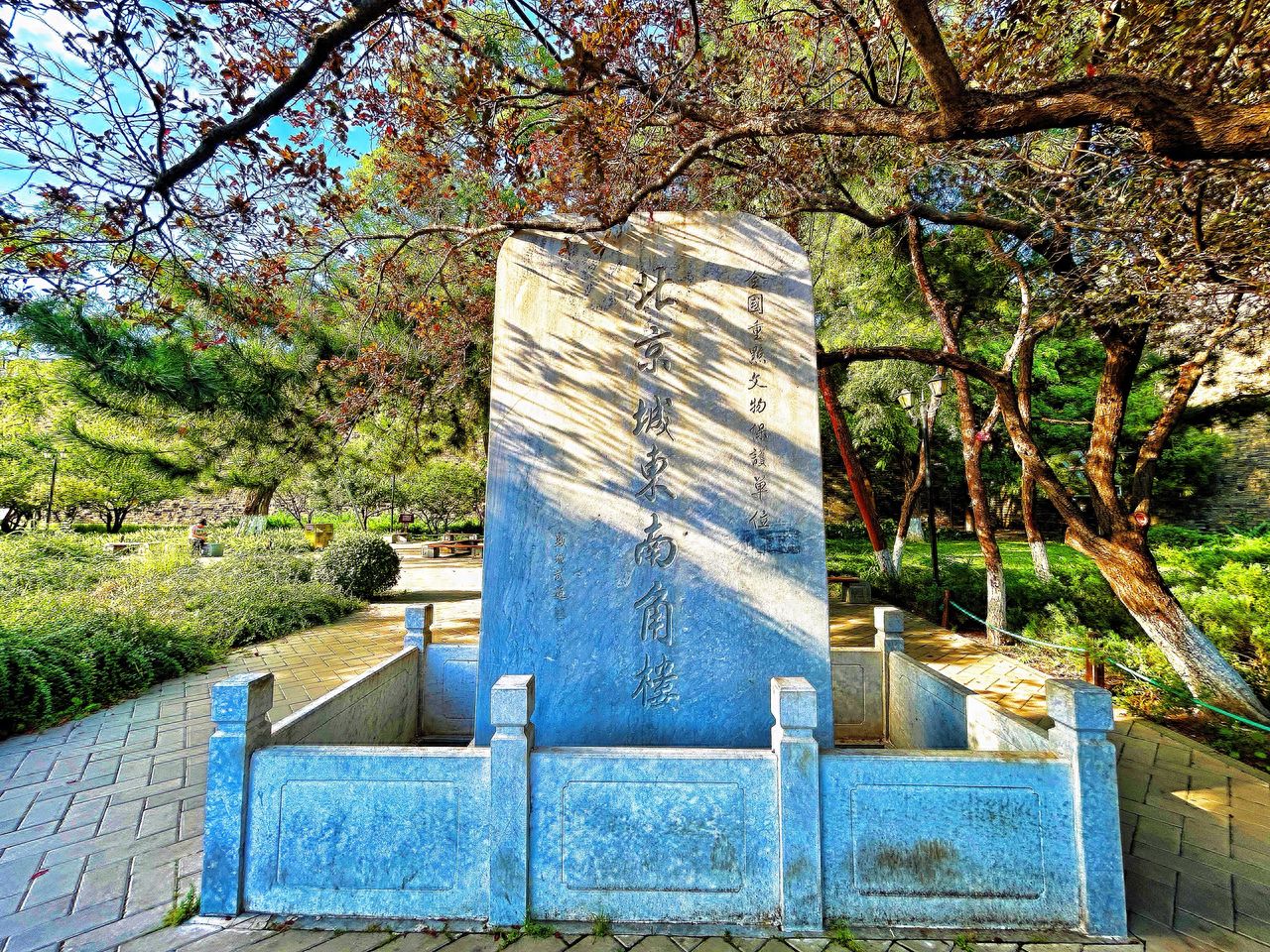
Photo by Beijing Ming City Wall Relics Park - Southeast Corner Tower Stele
Beijing Ming City Wall Relics Park - Southeast Corner Tower Stele

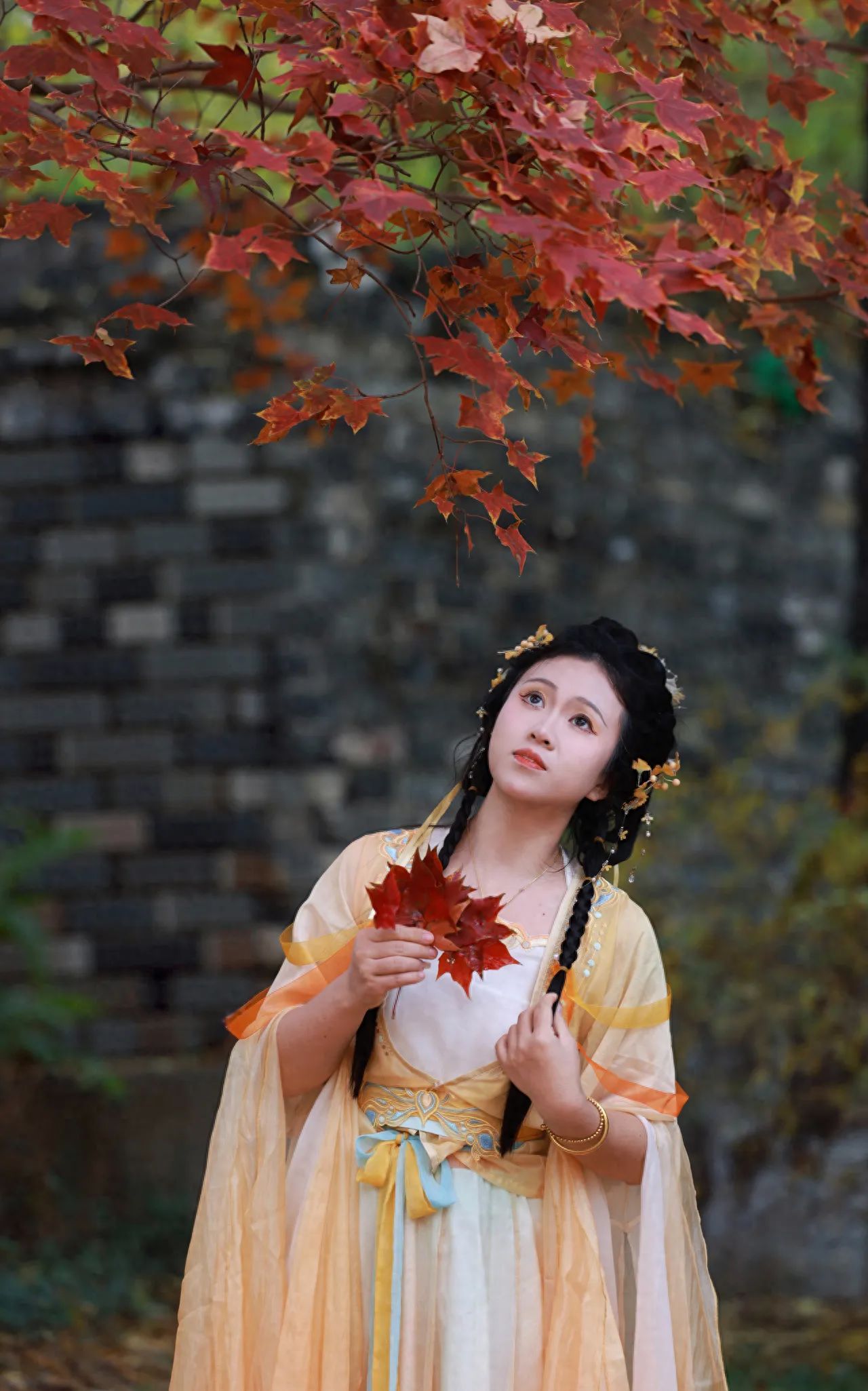
Photo by Beijing Ming City Wall Relics Park - Take a photo with red leaves and brick walls.
Beijing Ming City Wall Relics Park - Take a photo with red leaves and brick walls.

The photographer positioned themselves at an angle slightly to the side and in front of the crabapple tree, using an upward shooting angle to make the crabapple flowers appear to extend upwards in the frame. The rule of thirds was employed, with the crabapple flowers occupying the lower two-thirds of the image and the city wall occupying the upper one-third. A medium telephoto lens was used to compress the space, emphasizing the layered relationship between the crabapple flowers and the city wall.

Additional tips: Entry to the city wall is free, and there is a 1,500-meter-long flower corridor.

Ming City Wall Ruins Park - Begonia Flowers and City Walls