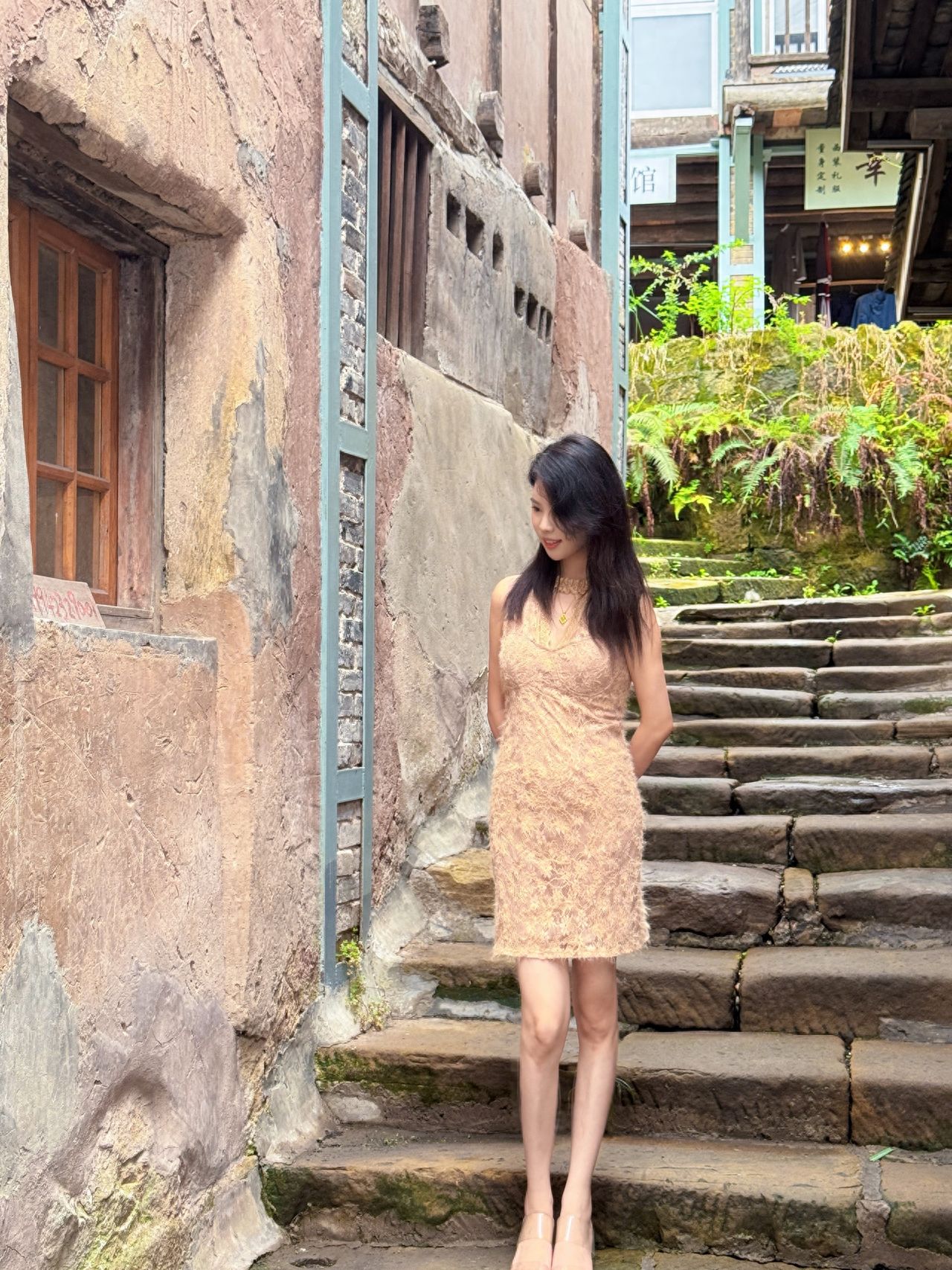
The model stands at the stair position, using the rule of thirds to compose the picture, placing the model at the right third of the frame to achieve a balanced image.

Travel tips: It is recommended to travel on sunny days when there is ample light for better photos.

Yunxiu Garden – forest path

Photo by Jingangbei – floral window frame & photo wall inside

Jingangbei – floral window frame & photo wall inside

The model stands on the widest stone step of the staircase, with her back to the photographer, who is positioned at the bottom of the steps, slightly shooting from a low angle to create a sense of depth between the model and the background architecture. The composition follows the rule of thirds, with the model placed slightly to the left of the central third of the frame, and the trees and signs on the right enriching the visual layers.

1. Photography equipment: Fujifilm X-H2 camera, 18-55mm lens.
2. Photo poses:
   ① Back view, hands behind the back;
   ② Side view, left hand straight behind the back, right hand holding the left hand;
   ③ Side view, left hand near the waist, not looking at the camera.
3. Additional tips:
   ① It is recommended to bring a flash;
   ② Bring mosquito repellent and patches;
   ③ Avoid wearing shoes with heels.

Jingangbei Hot-Spring Old Village – Chinese Restaurant Steps Photo Spot
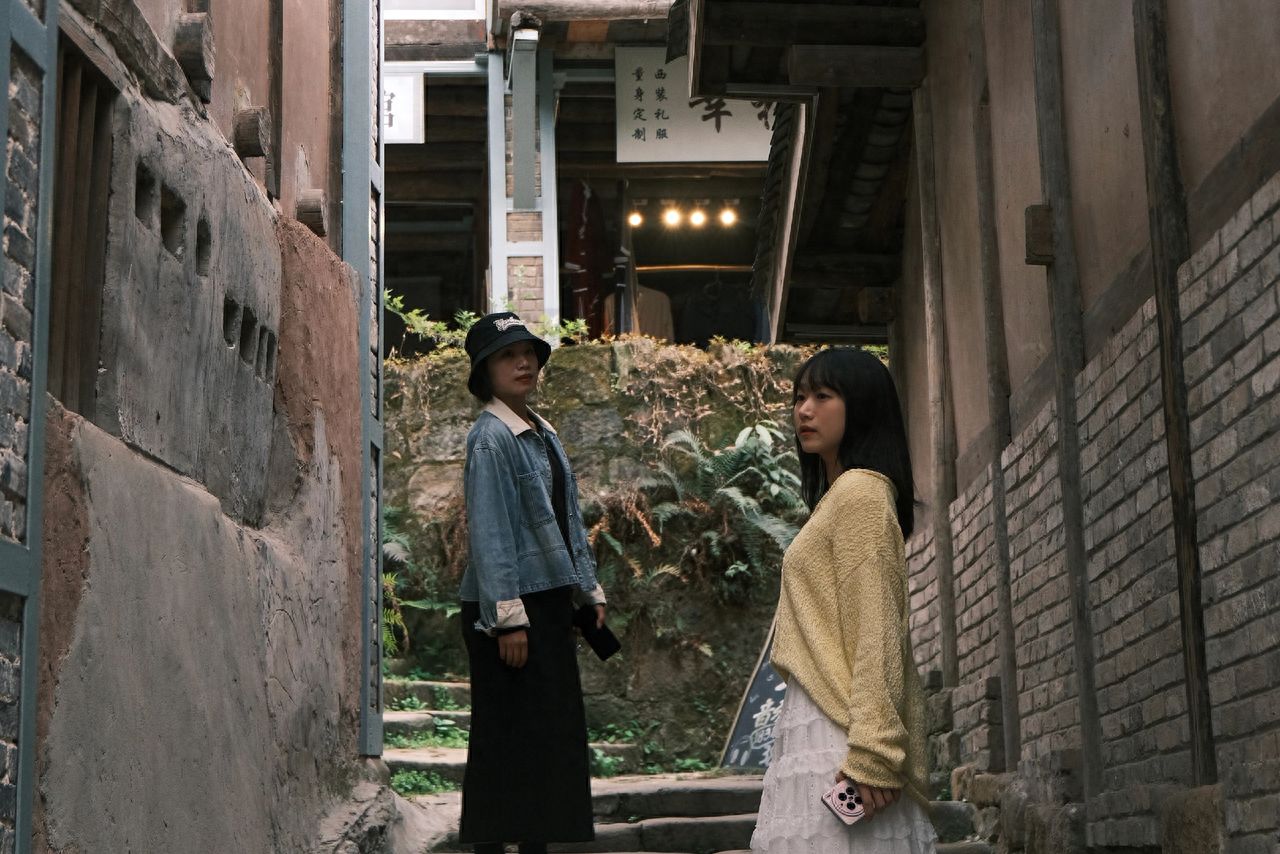
Photo by Chongqing Jingangbei – narrow stone alley shot
Chongqing Jingangbei – narrow stone alley shot

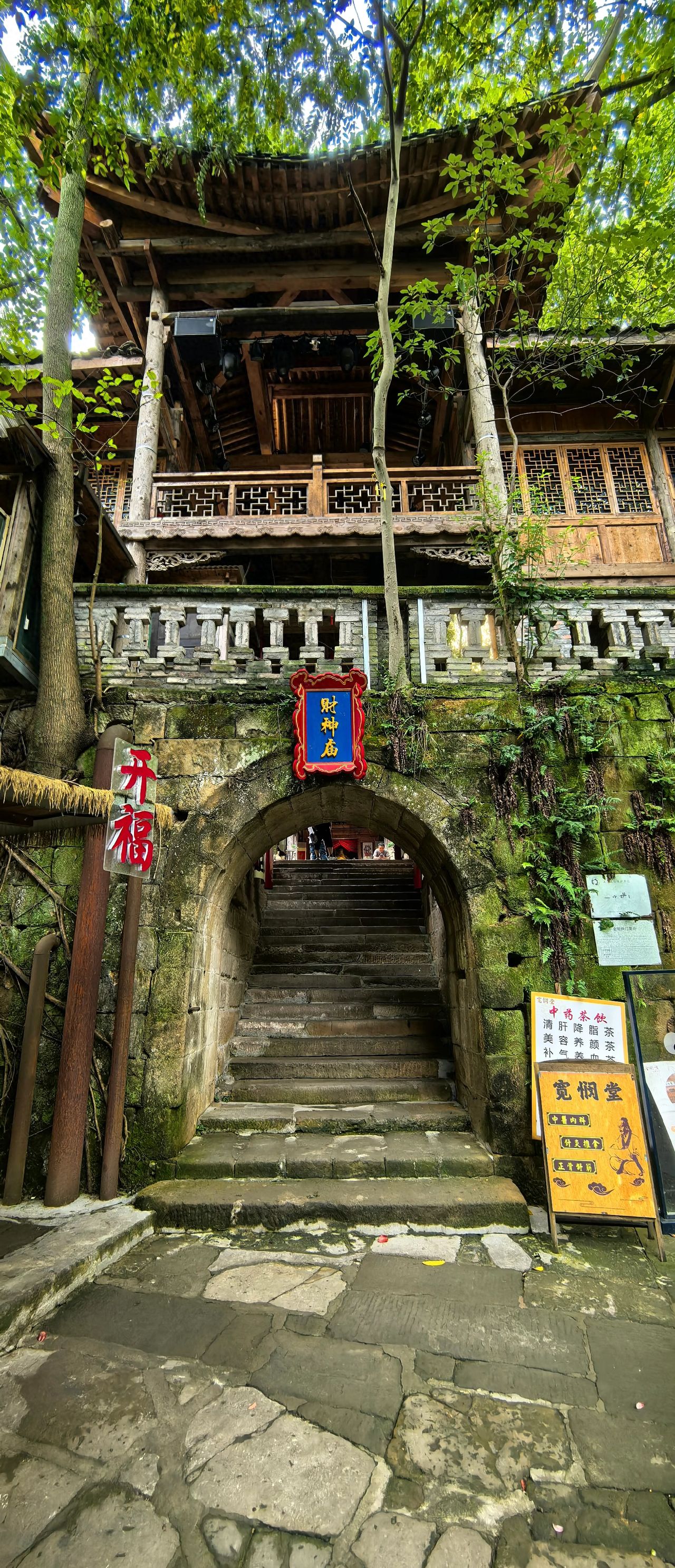
Photo by Chongqing Jingangbei – Money God Temple entrance
Chongqing Jingangbei – Money God Temple entrance

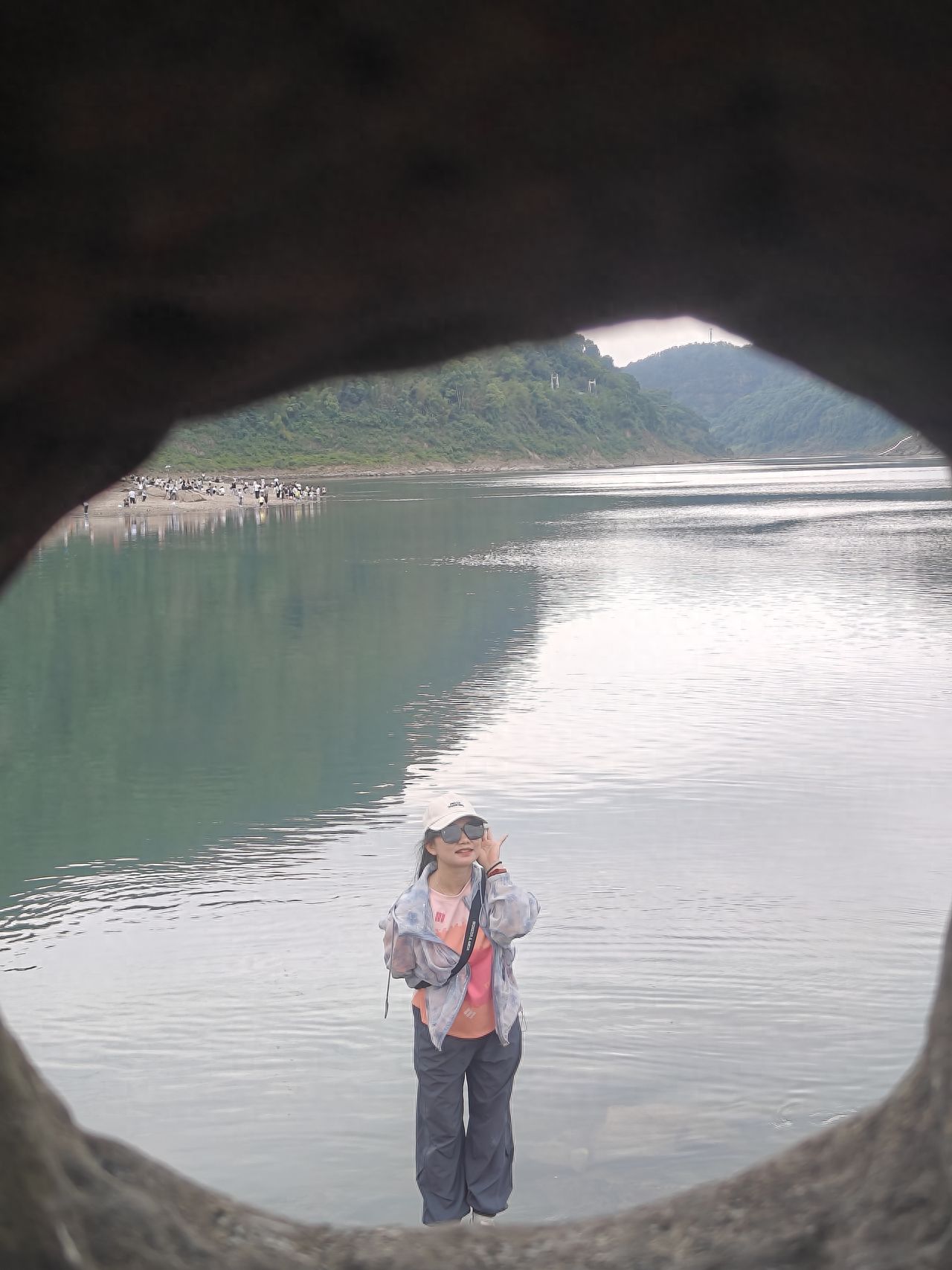
Use the cave entrance as a foreground frame for composition, with the model standing by the water, centrally located in the frame, and the photographer adopting a level shooting angle. The shot includes the foreground cave entrance rocks, the midground characters and water surface, the background mountains, and the people on the shore, enhancing the sense of depth. It is suggested to use a standard focal length/phone 2x for shooting.

Jingangbei – cave entrance

The model is positioned on the right side of the frame, with the scenery including the mottled vintage wall with wooden windows and blue frames on the left, and the stone steps extending upwards with green plants on the right, enhancing the sense of depth in the environment. The model stands with hands behind the back, looking down with a natural posture that blends into the vintage atmosphere.

Additional Tips: It is recommended to wear comfortable shoes, as there is a lot of walking within the scenic area.

Jingangbei – stone steps & green-wall selfie
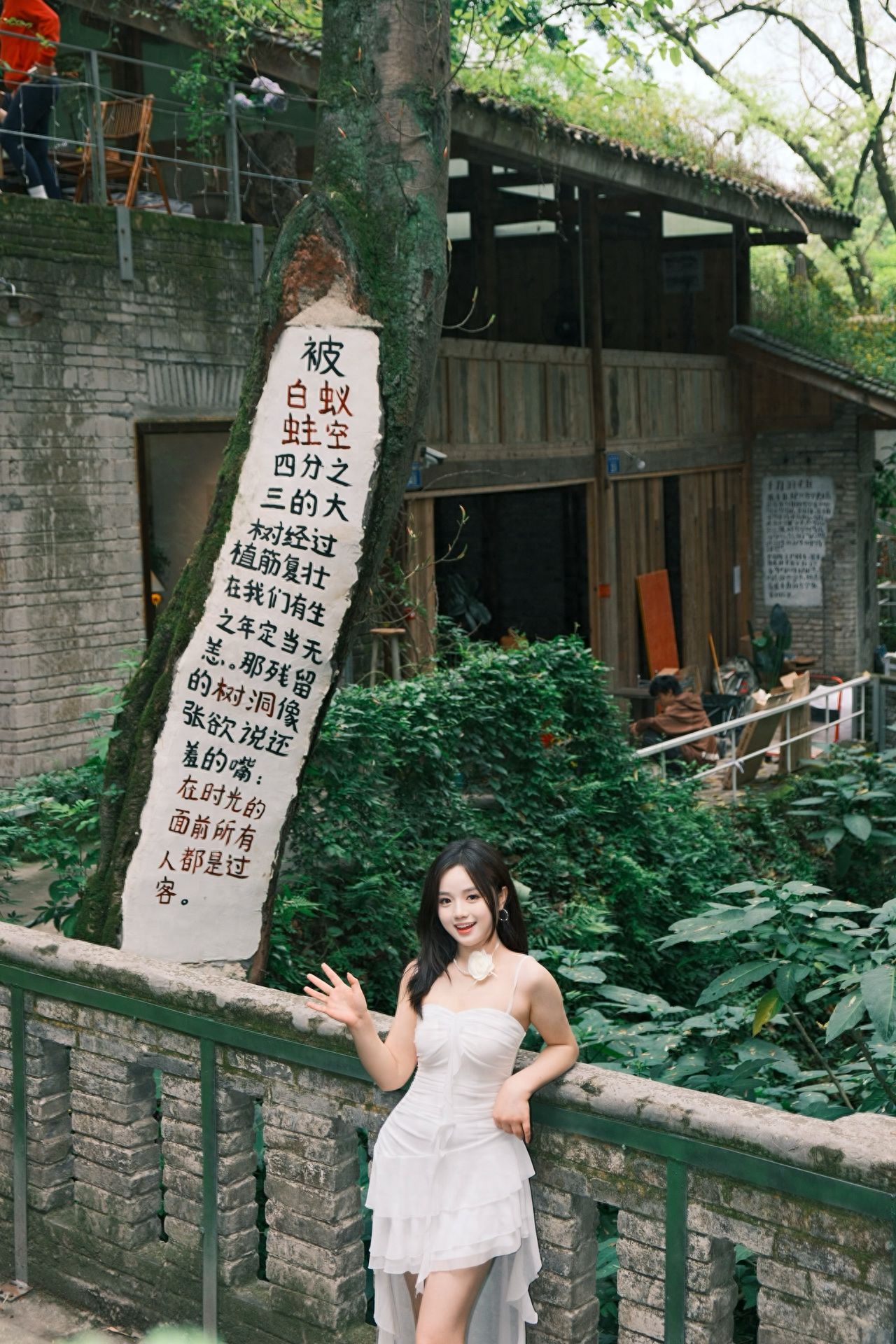
The model approaches the stone railing while the photographer stands on the steps, taking a low-angle shot of the model's upper body, with a centered composition, placing the model right in the middle of the frame. Including the text on the trees in the shot will enhance the overall image.

1. Equipment settings: Camera Fuji xh2, lens 18-55.
2. Pose suggestions:
   ① Place the left hand on the stone railing, and wave to the camera with the right hand.
   ② Place the left hand on the stone railing, and raise the right hand towards the sky.
   ③ Place the right hand on the waist, and the left hand on the stone railing.
3. Suggested photography equipment: It is recommended to bring a flash.
4. Other tips: Bring mosquito repellent and anti-mosquito patches.

Jingangbei Hot-Spring Village – message tree & stone railing
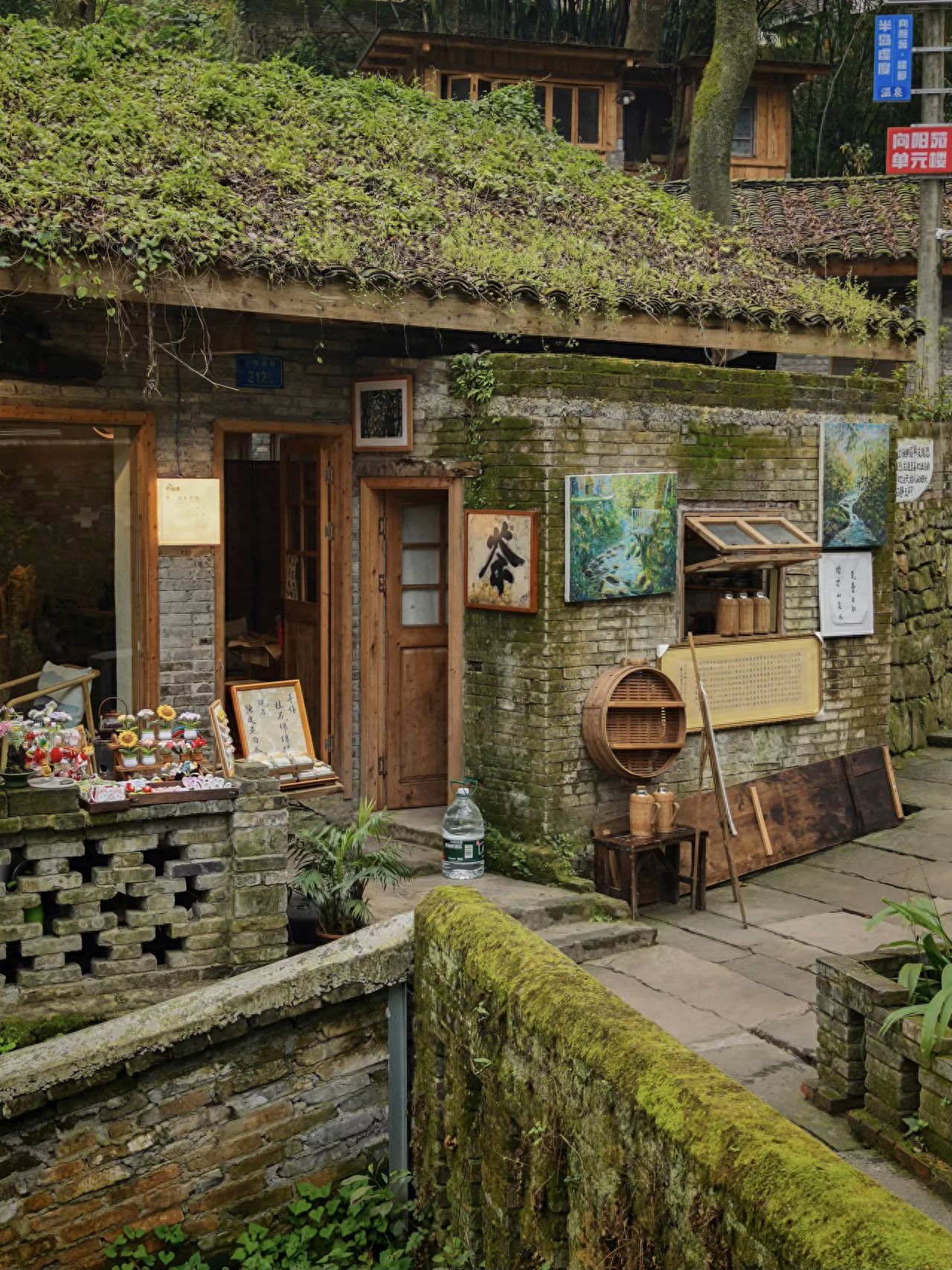
The photographer stands slightly in front of the side of the cabin, capturing the scene at eye level. Using central composition, place the old cabin at the center of the frame, with various furnishings distributed around it to create a visual focus. It is suggested to use a standard lens to accurately reproduce the old house and its surrounding environment, showcasing a simple and natural spatial layout. 

Travel tip: It is recommended to shoot during clear daytime hours, as the soft light will produce better images.

Jingangbei Hot-Spring Village – tiny tea stand
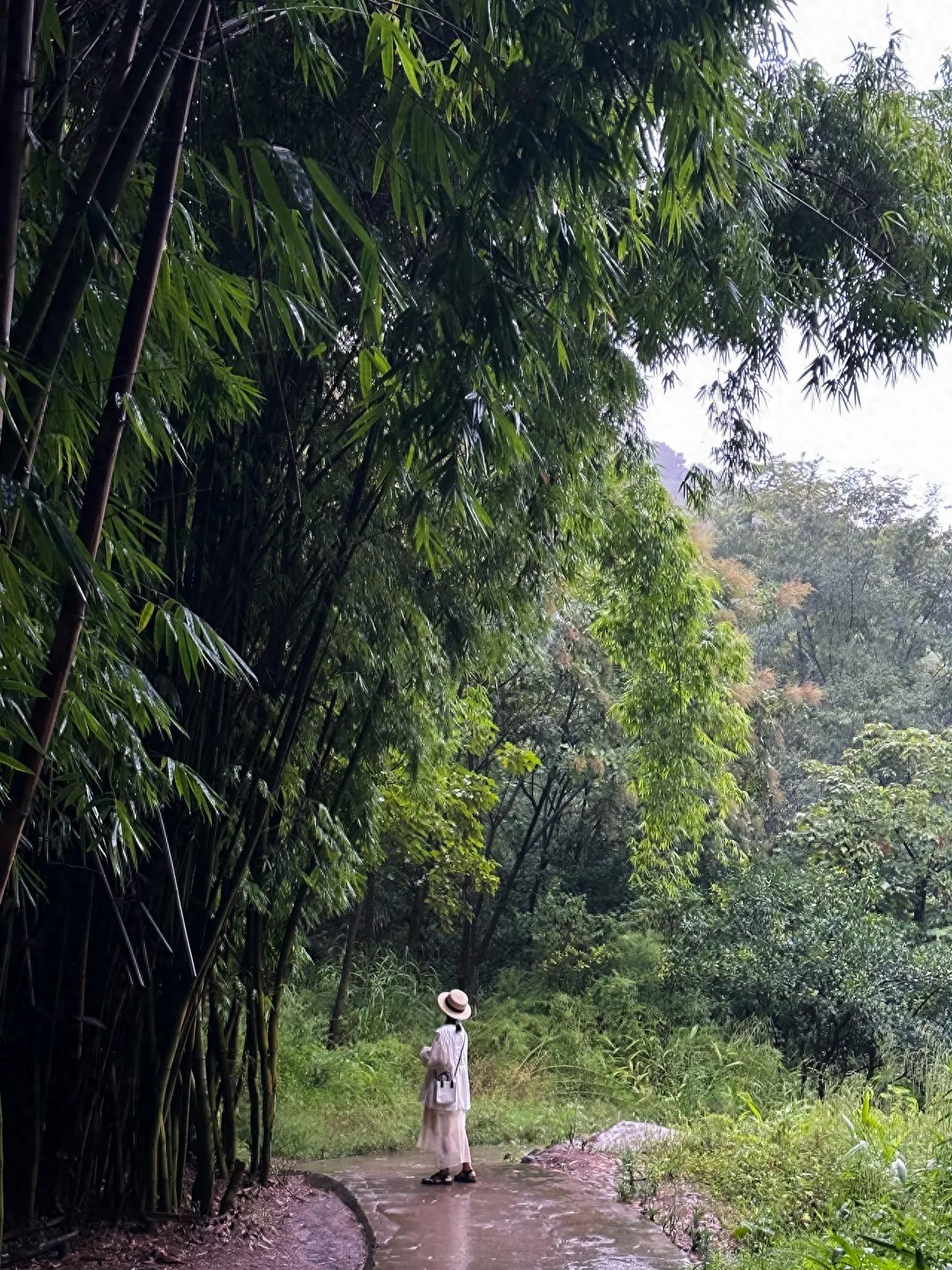
1. Perspective: The photographer stands behind the model, at a slightly elevated position, shooting from a bird's-eye view.
2. Composition technique: Employing the leading line composition, the path serves as a guide to draw the viewer's eyes towards the model. Additionally, using the frame composition with the bamboo forest as a natural frame highlights the main subject, while the vegetation in the foreground and background adds depth to the image.
3. Lens application: A standard lens is used to naturally reproduce the subject's posture, environmental details, and the bamboo forest scene.
Additional tips: The ancient village retains many ancient buildings. It is recommended to walk along the stream and into the village on foot. The bamboo forests, streams, and small bridges along the way also make for great photos. The village is quite large, not crowded, and a pleasure to explore.

Jingangbei Ancient Village – bamboo forest path