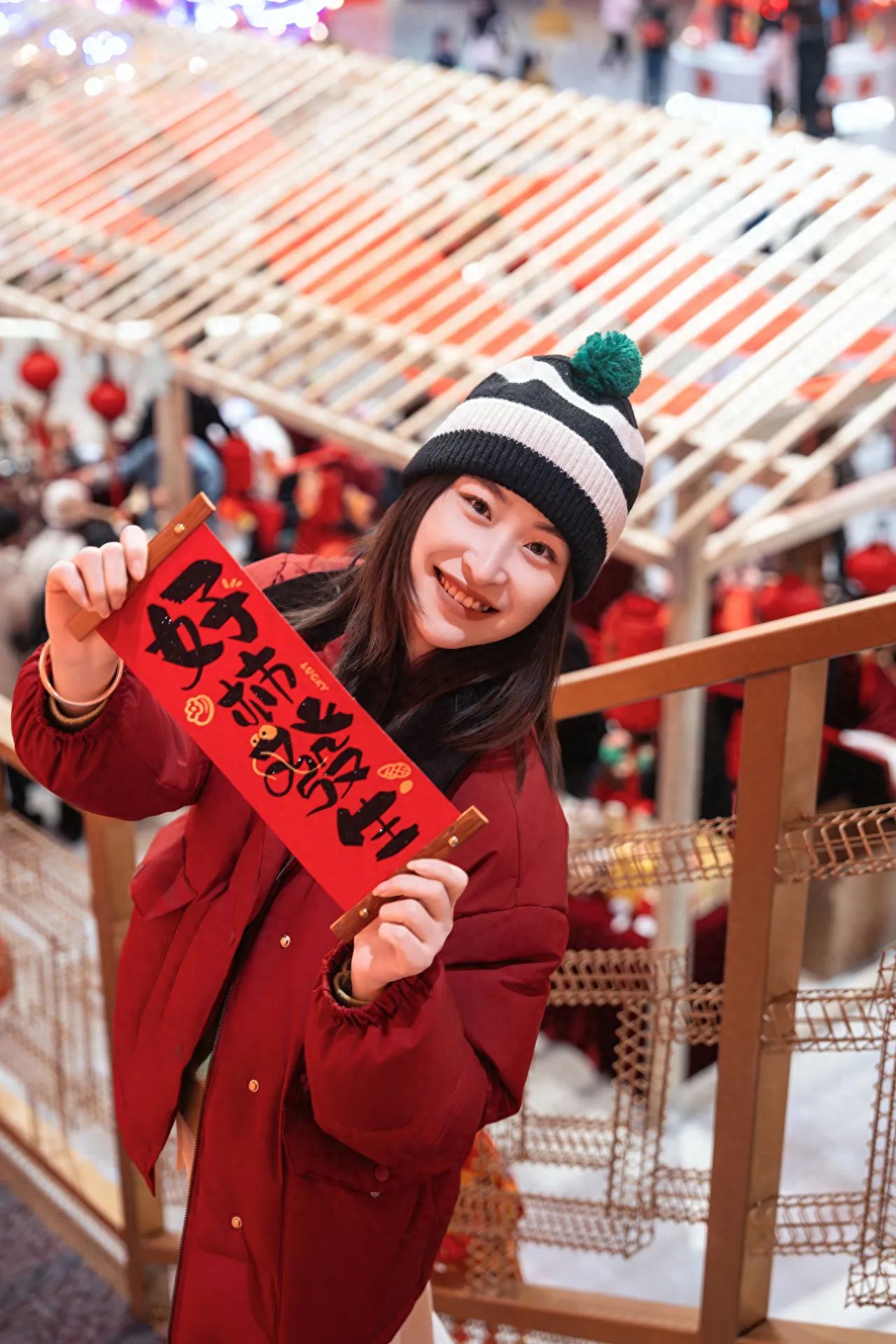
1. Positioning: The photographer should position themselves at a slight angle to the side and slightly below the model.
2. Composition: Use a central composition technique, placing the model holding the red couplet as the main focus, and utilize the wooden railing in the foreground to add depth and layers to the image.
3. Lens Recommendation: Use a standard lens to accurately capture the proportions and spatial relationship between the model and the environment.

China National Arts and Crafts Museum - Balustrade
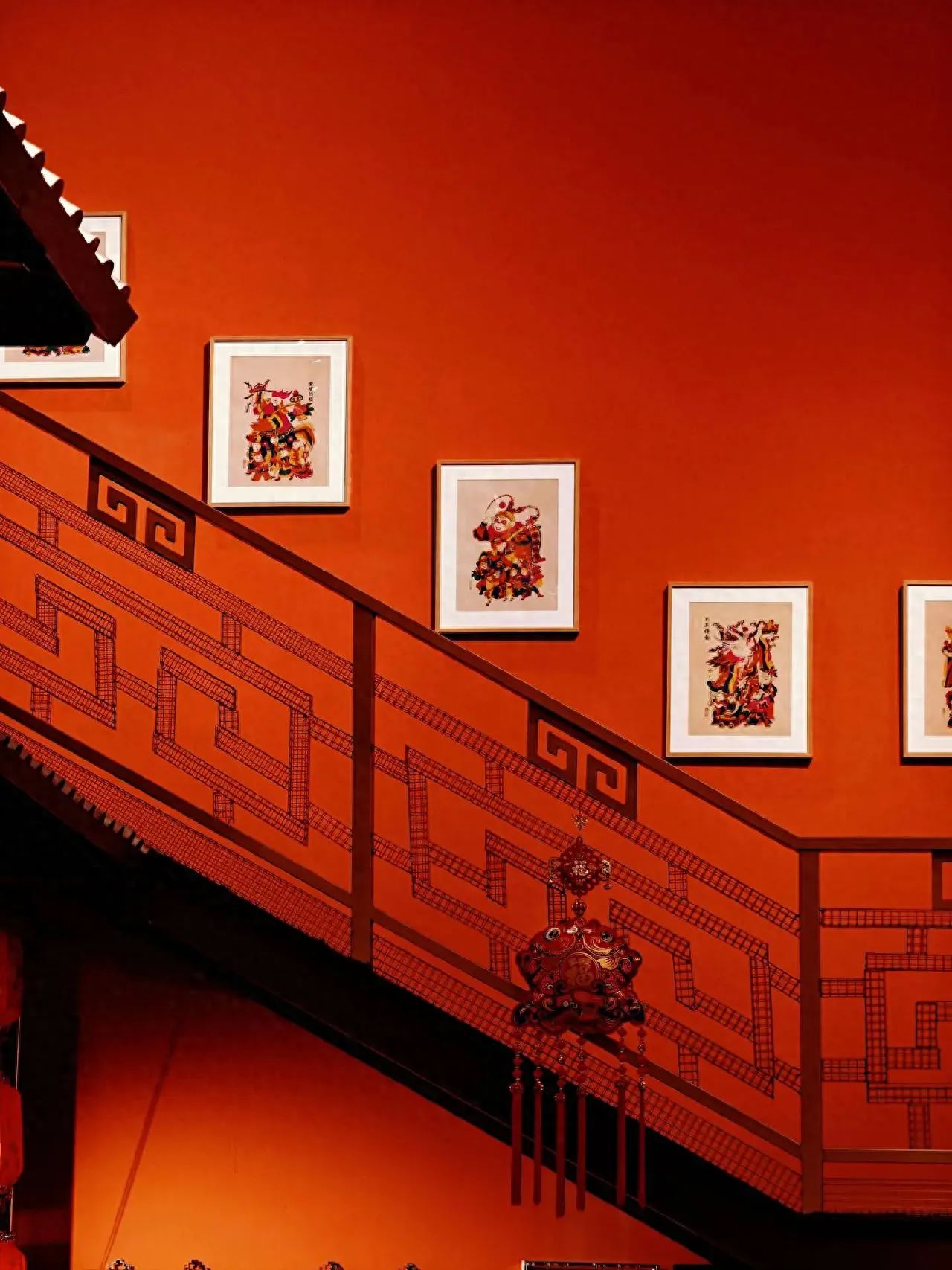
1. Angle: The photographer stands in front of the stairs and uses an eye-level angle.
2. Composition: Utilize vertical lines in composition, where the vertical lines of the staircase railing add stability to the image. Also, use contrast composition, where the orange-red wall contrasts with the dark staircase railing and decorations, highlighting the focus of the image.
3. Lens Usage: Use a wide-angle lens to exaggerate the upward view of the stairs, enhancing the depth of the image, while also allowing the artwork and decorative details above to be well presented.
Admission: Free, with advance reservation required.
Hours: 9:00 - 17:00; Closed on Mondays.
Photography Tips: The indoor heating is sufficient, so you can bring your camera and instant camera for good shots. You can bring water, but self-sticks are not allowed and must be stored at the security checkpoint.
Additional Tips: The exhibition runs until March 2, 2025.

China National Arts and Crafts Museum - Staircase
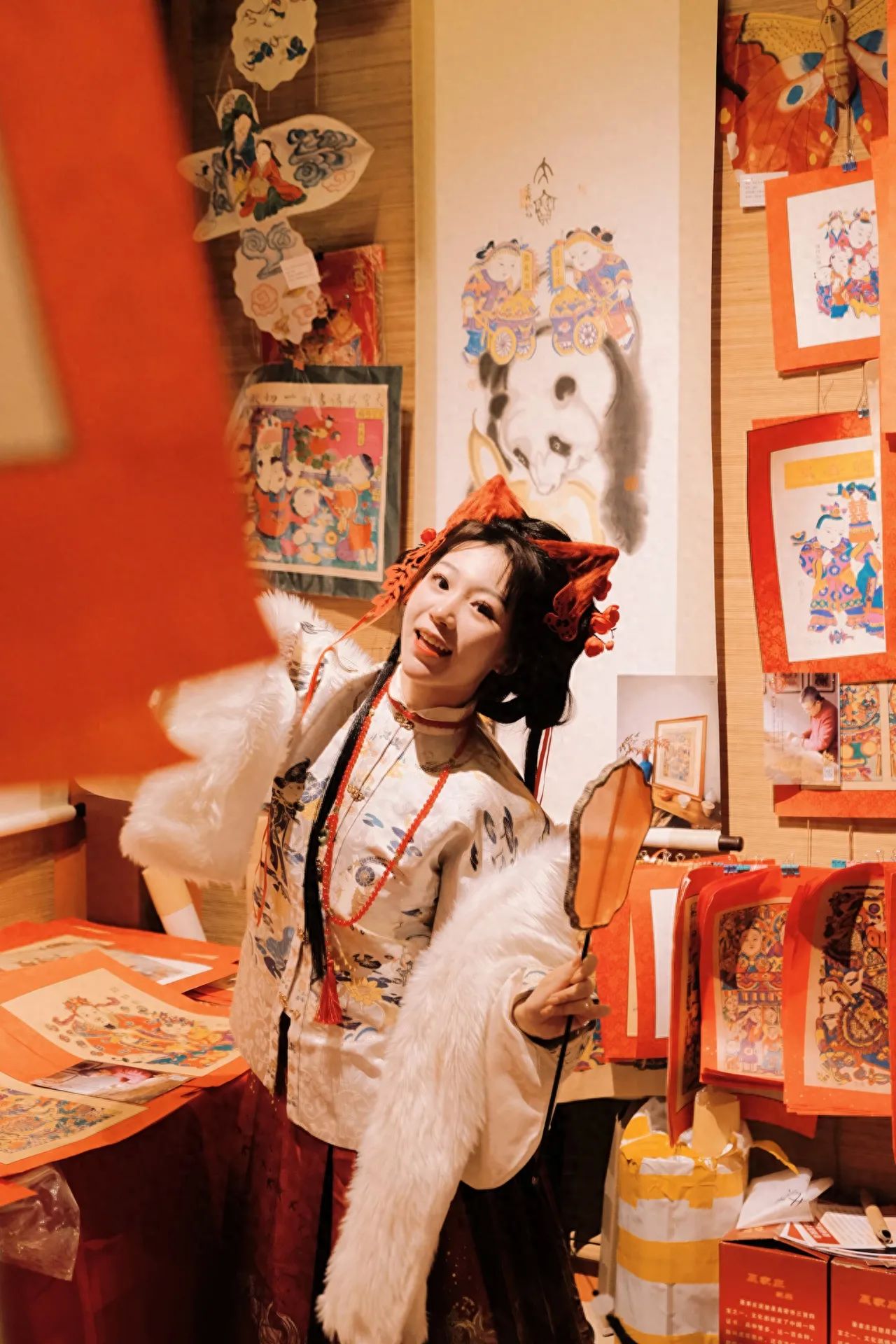
Photo by China National Art Museum - New Year Pictures
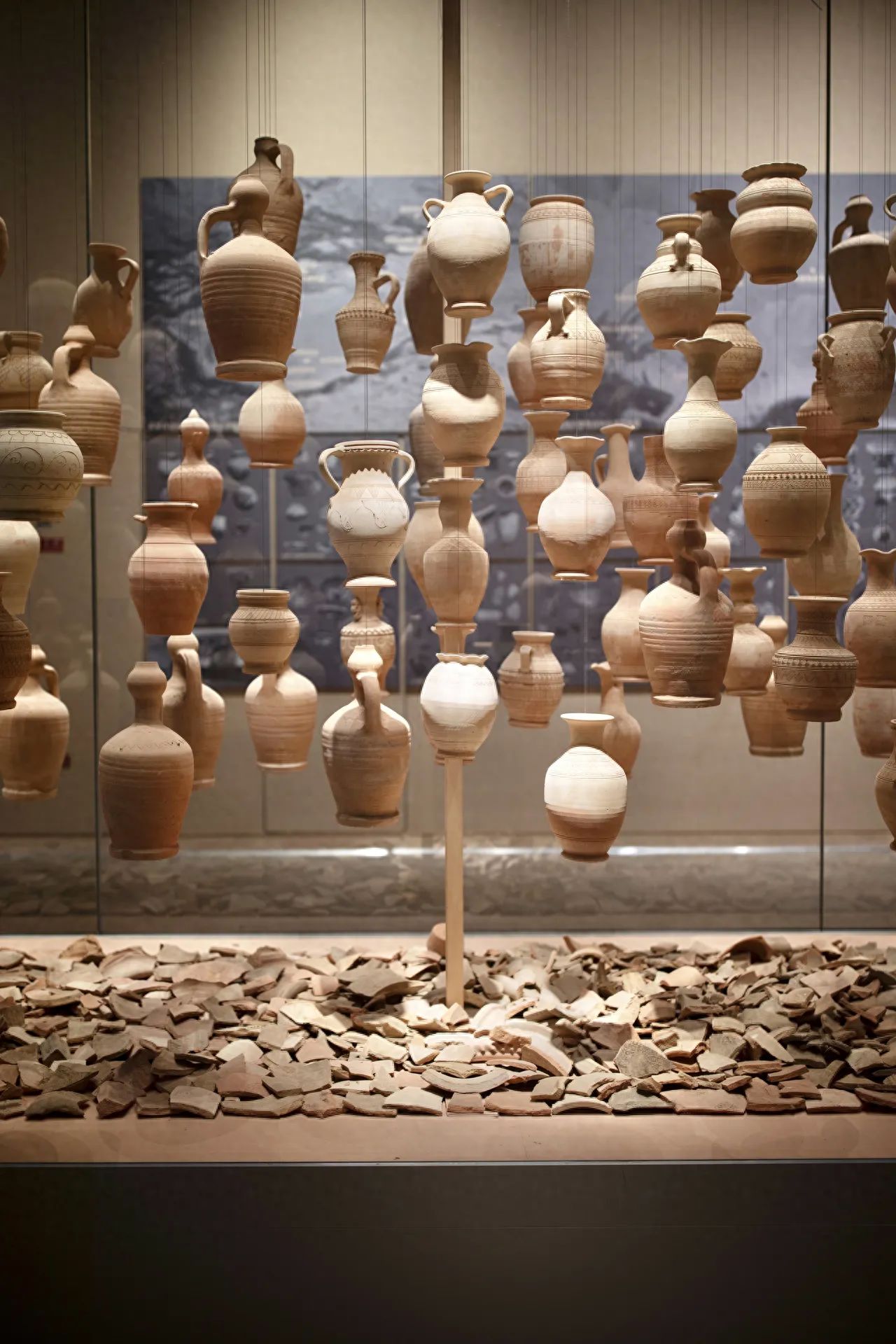
China National Art Museum - New Year Pictures

The photographer is shooting the center of the display case in a level position, with the camera slightly below the hanging point of the installation. This ensures that both the installation and the broken pottery pieces are fully captured. For cameras, a 50mm standard lens or an 85mm portrait lens is recommended. For smartphones, use the 2x zoom to ensure clear details in the photo.

China National Arts and Crafts Museum - Xinjiang Earthenware Art Installation
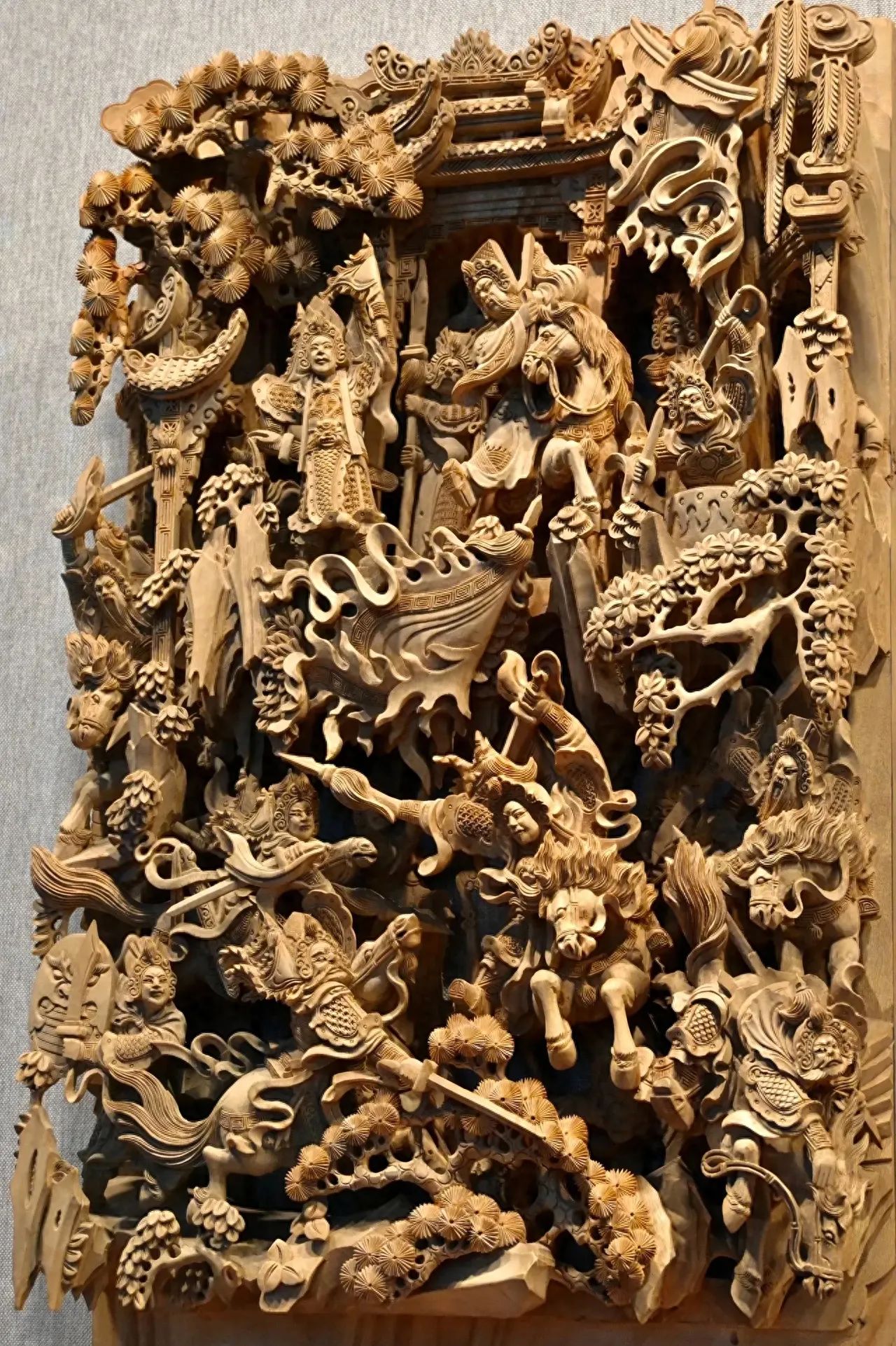
Photo by China National Arts and Crafts Museum - Wood Carving Exhibition

China National Arts and Crafts Museum - Wood Carving Exhibition

1. Shooting Angle: The photographer stands in front of the paper-cutting exhibition booth and shoots from a high angle.
2. Composition Technique: Use repetitive composition, with multiple paper-cutting works arranged neatly to enhance visual rhythm. The red paper-cuts contrast with the dark frames and light backgrounds, highlighting the main subject.
3. Lens Usage: Use a medium focal length lens to clearly display the intricate patterns and color layers of the paper-cuts, creating a refined presentation.
Photography Tips: When shooting performances on the first floor, use burst mode to capture exciting moments; when photographing embroidery works on the sixth floor, find the right angle to avoid reflections and clearly showcase the details.

Beijing China National Art Museum - Manchu Paper-cutting Exhibition Booth
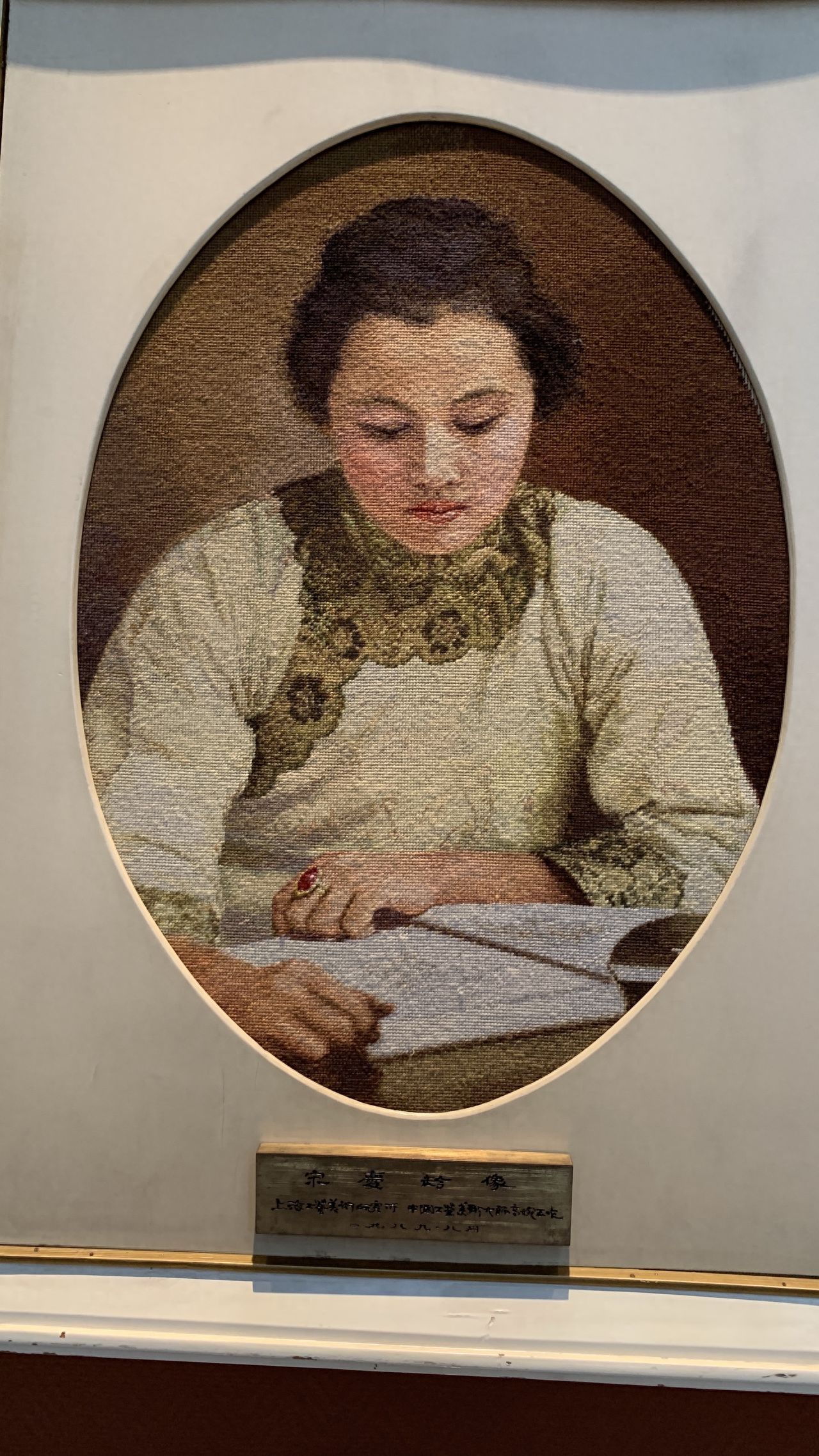
Photo by China National Arts and Crafts Museum - Soong Ching-ling Statue Exhibition
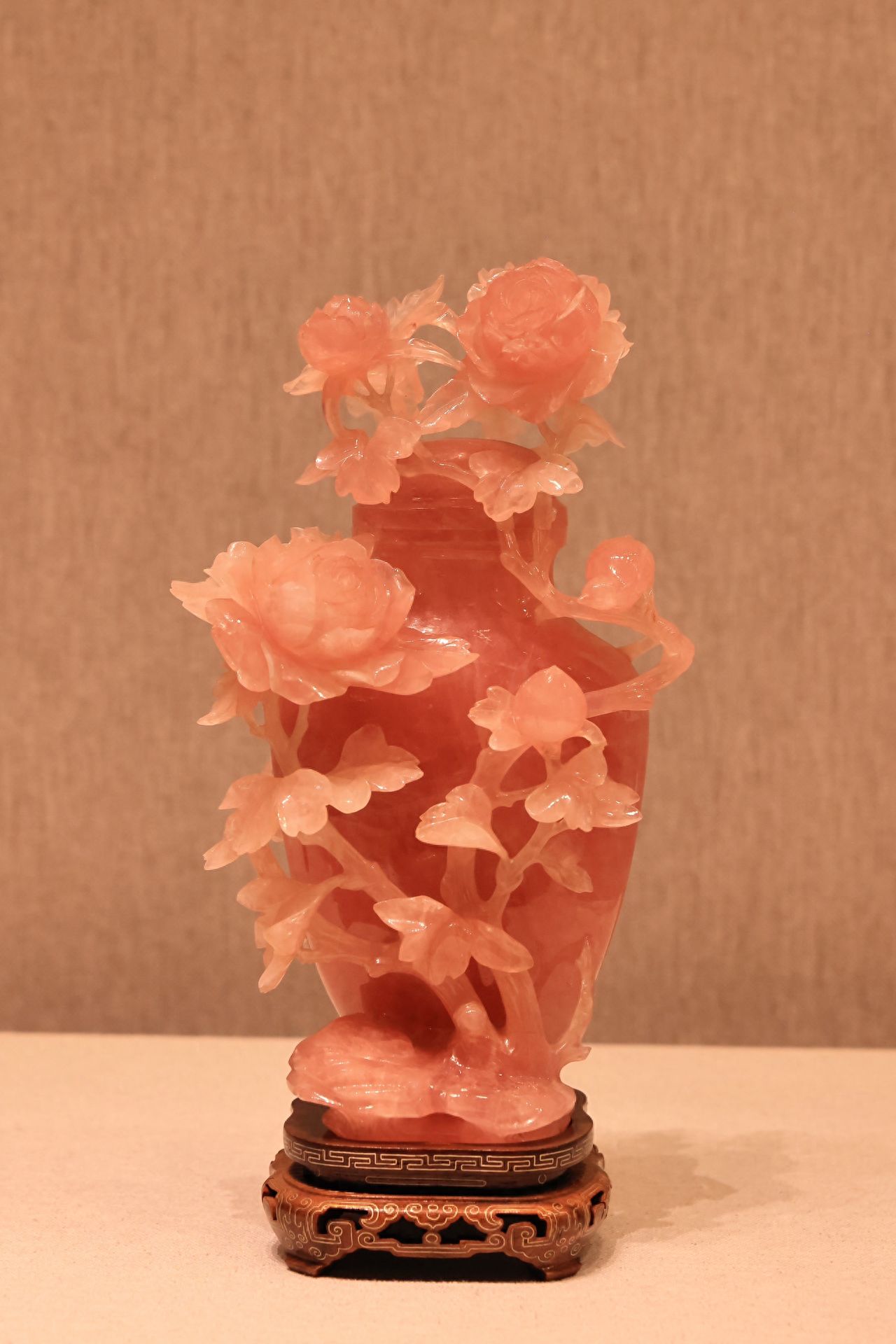
China National Arts and Crafts Museum - Soong Ching-ling Statue Exhibition

Use a straight-on angle to ensure the vase is centered and upright. Employ a centered composition to place the entire vase in the middle of the frame, highlighting the carved details and the texture of the jade. The framing should include the full vase and its base. Keep a plain, solid-colored wall in the background to avoid clutter and compress the background to make the subject stand out.

China National Arts and Crafts Museum - Red Jade Flower Vase
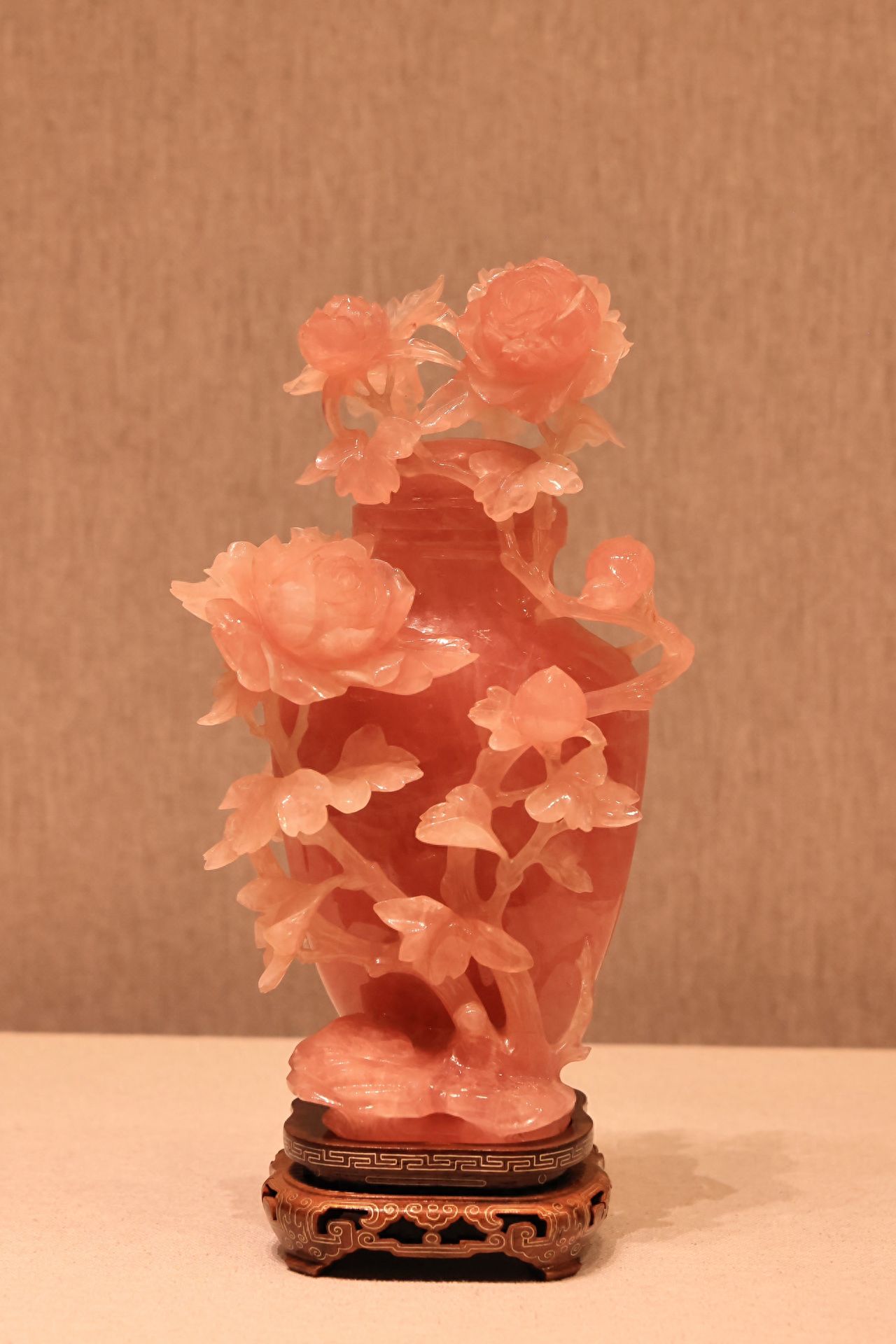
Use a straight-on angle to ensure the vase is centered. Employ a centered composition to place the entire vase in the middle of the frame, highlighting the carved details and the jade texture. The framing should include the full view of the vase and its base, with a plain wall as the background to avoid clutter.

Travel Tip: Admission is free.

China National Arts and Crafts Museum - Jade Carved Lotus Stone Vase

Flash photography is not allowed inside the venue. Most of the lighting is top-down, so models should tilt their heads up slightly. The lanterns and lion heads are on the 6th floor, while the "fu" character experience and paper-cut elements are on the 1st floor. If your visit is short, prioritize these two areas for photos. The illuminated floor-to-ceiling windows are in the 4th-floor exhibition hall.

Ticket Information: Free admission requires advance reservation through the official WeChat account.

Dress Code: Opt for outfits with more red elements.

China National Art Museum - Giant Flower Paper-cutting