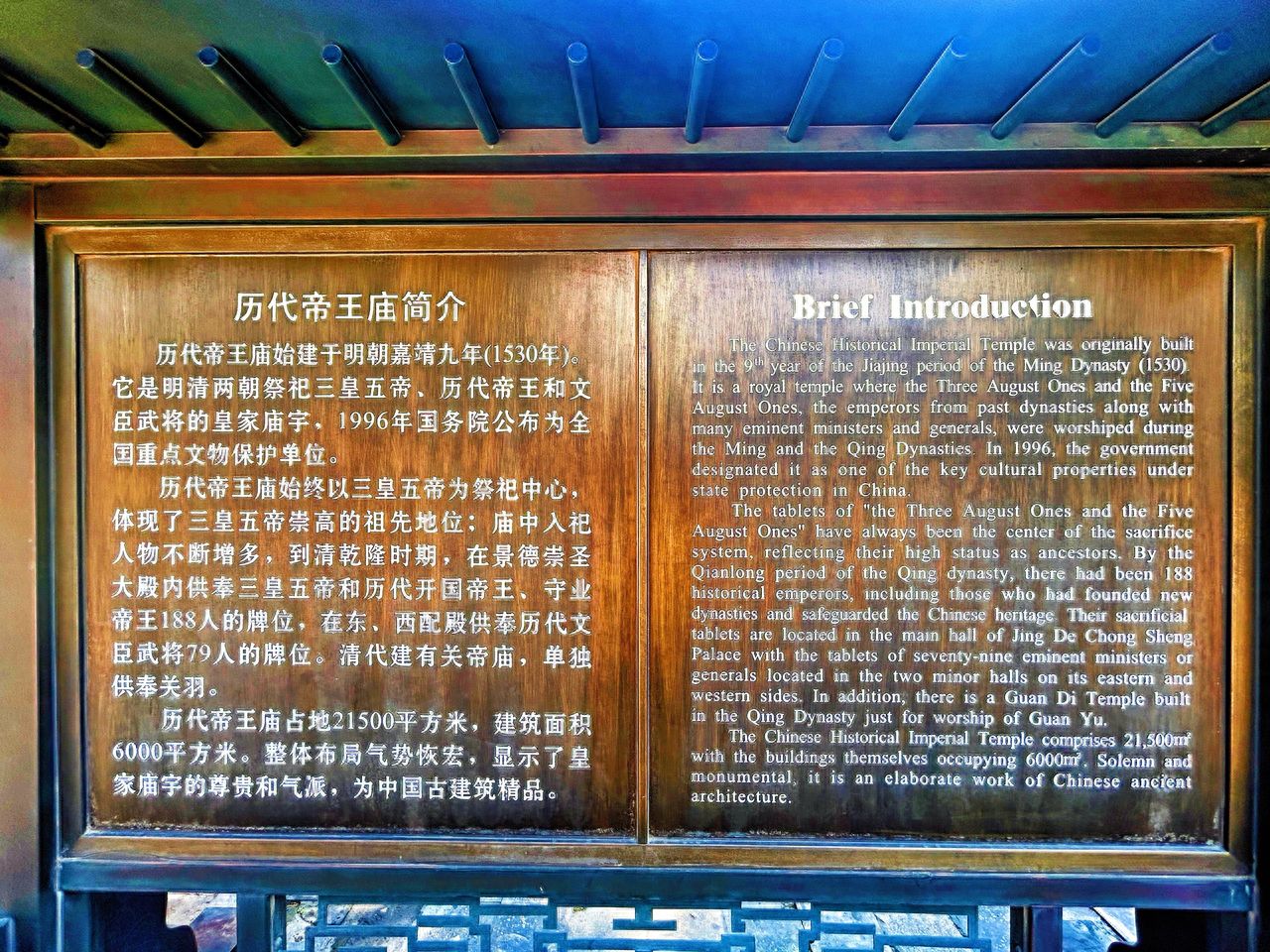
Photo by Imperial Ancestral Temple - Brief Introduction to the Imperial Ancestral Temple in Chinese and English Signboard
Imperial Ancestral Temple - Brief Introduction to the Imperial Ancestral Temple in Chinese and English Signboard

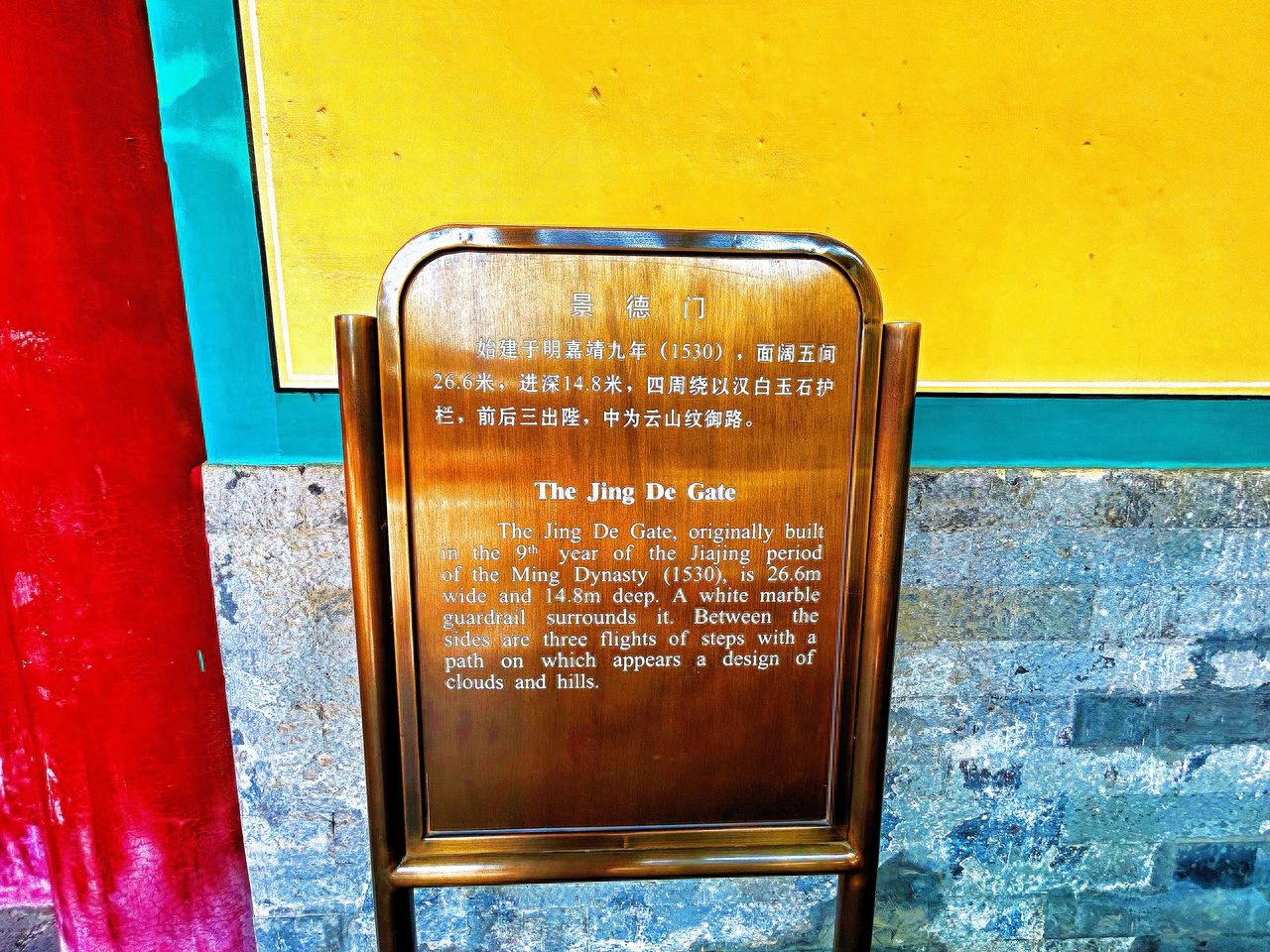
Photo by The Jingde Gate of the Imperial Ancestral Temple - Yellow Brick Wall Metal Plaque
The Jingde Gate of the Imperial Ancestral Temple - Yellow Brick Wall Metal Plaque

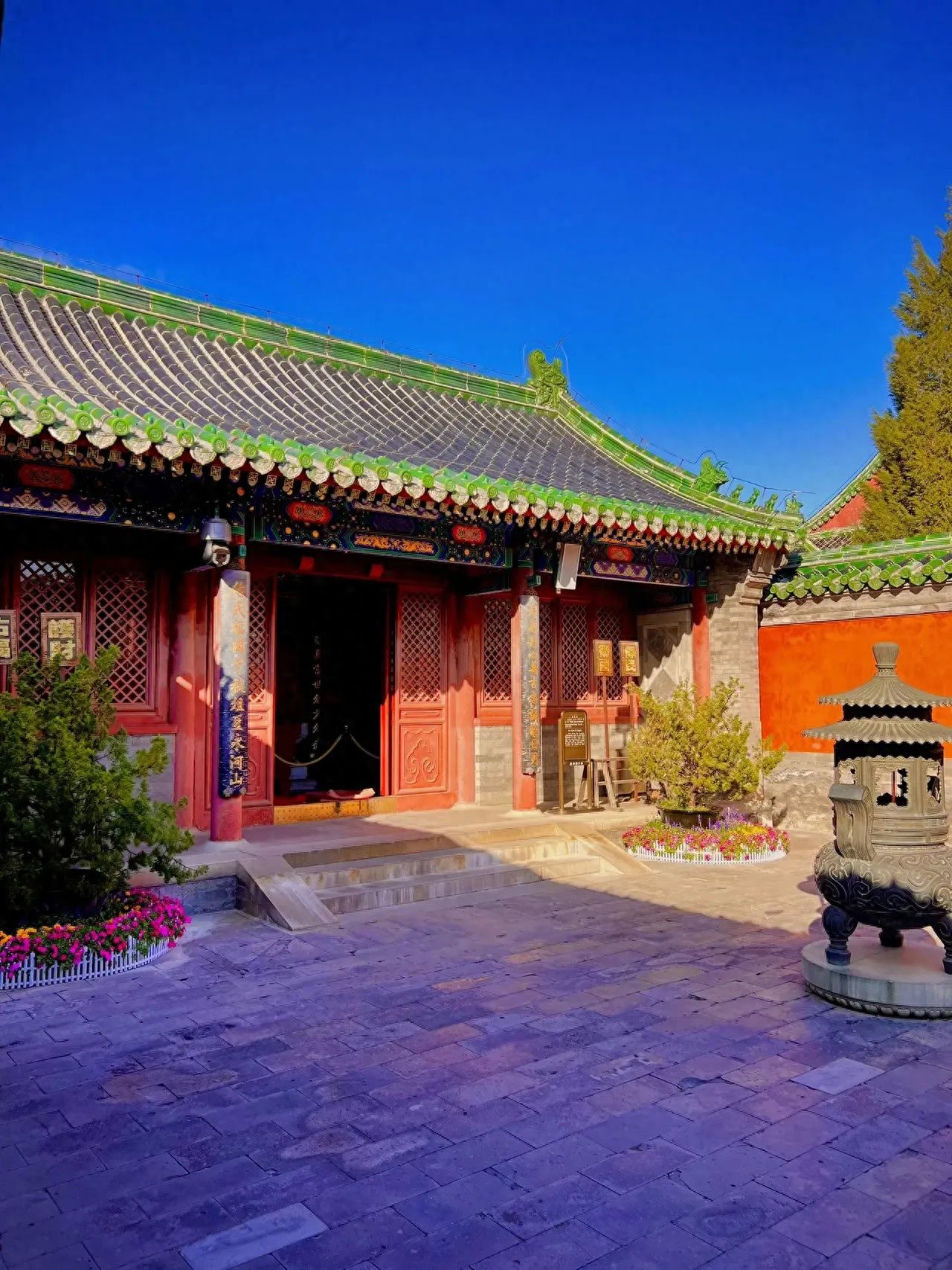
1. Stand in the center of the courtyard, facing the building directly, to maintain a balanced ratio between the ground and the building.
2. Composition method: Use the rule of thirds, placing the top of the building along the upper third of the frame to add stability to the image.
3. Shooting range: Include the entire eaves and walls of the building in the background, and bring in the ground tiles and the incense burner on the right in the foreground to add depth to the image.
4. Lens focal length: Use a 24mm focal length or the 1x setting on a phone to capture the entire building and its surroundings in detail.

The Temple of Emperors - Chinese Architectural Complex
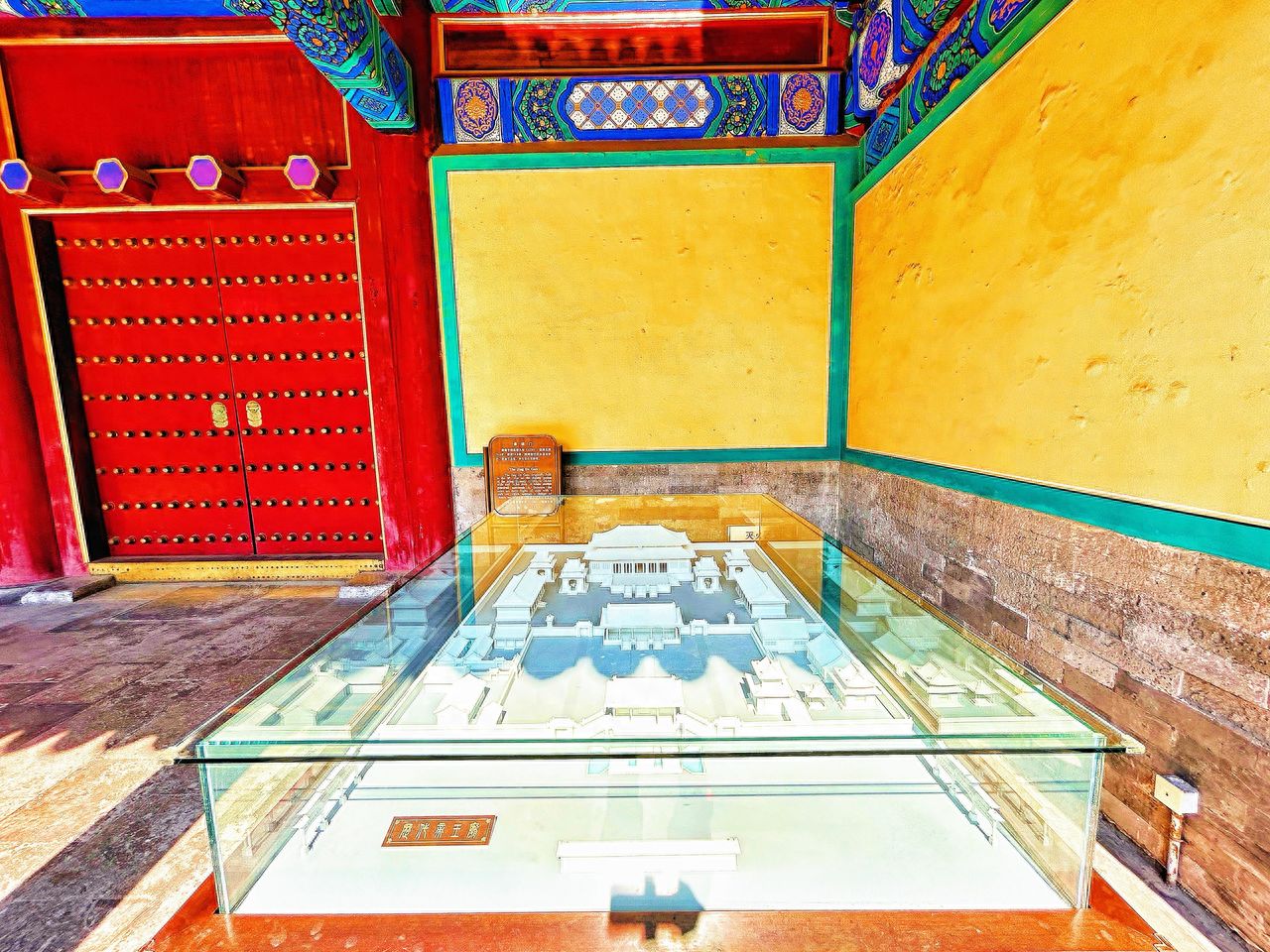
Photo by Beijing Temple of Emperors - Photographing Architectural Models of Exhibition Cabinets
Beijing Temple of Emperors - Photographing Architectural Models of Exhibition Cabinets

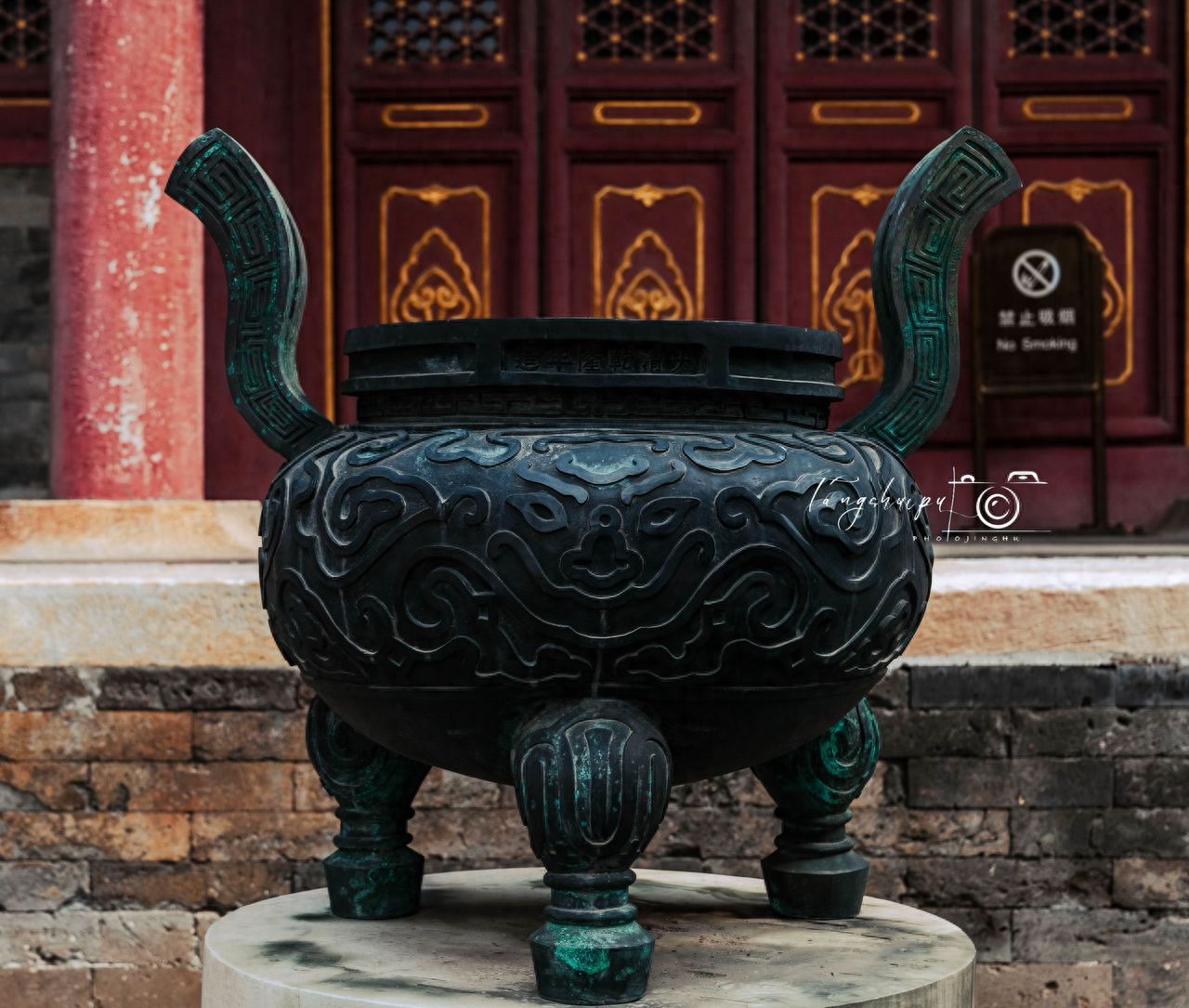
Use a level shooting angle and place the bronze censer in the center of the frame, highlighting its decorative details. Include the stone base of the censer and the red door and columns in the background to preserve the atmosphere of the ancient architecture. Ensure the main subject is clear and the symmetrical background structure enhances the balance of the composition.

The Ming and Qing Dynasties Imperial Ancestral Temple - the relief bronze incense burner in front of the main hall and the red gate.
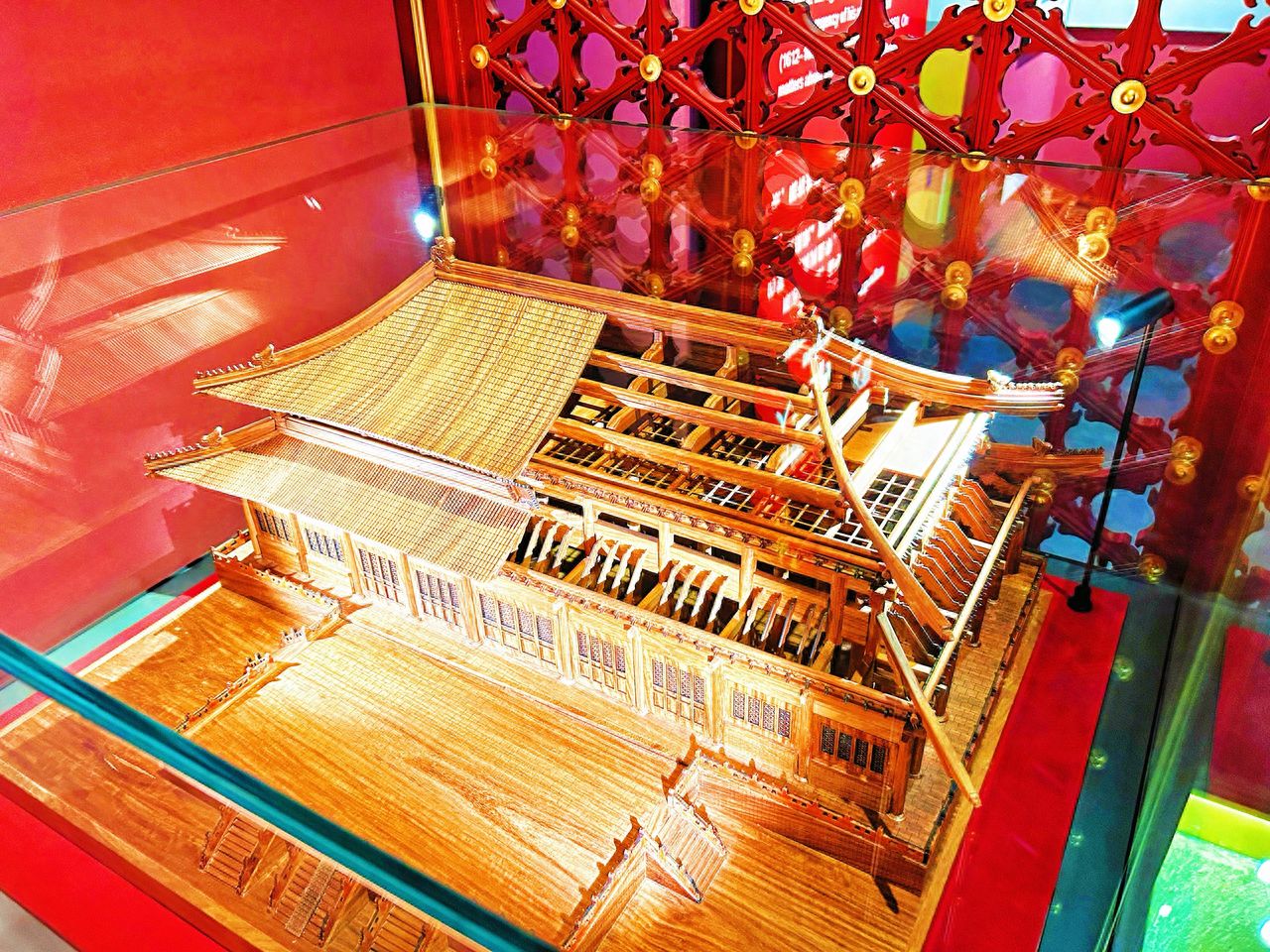
Photo by The Temple of Emperors - Wooden Ancient Architectural Model Exhibition
The Temple of Emperors - Wooden Ancient Architectural Model Exhibition

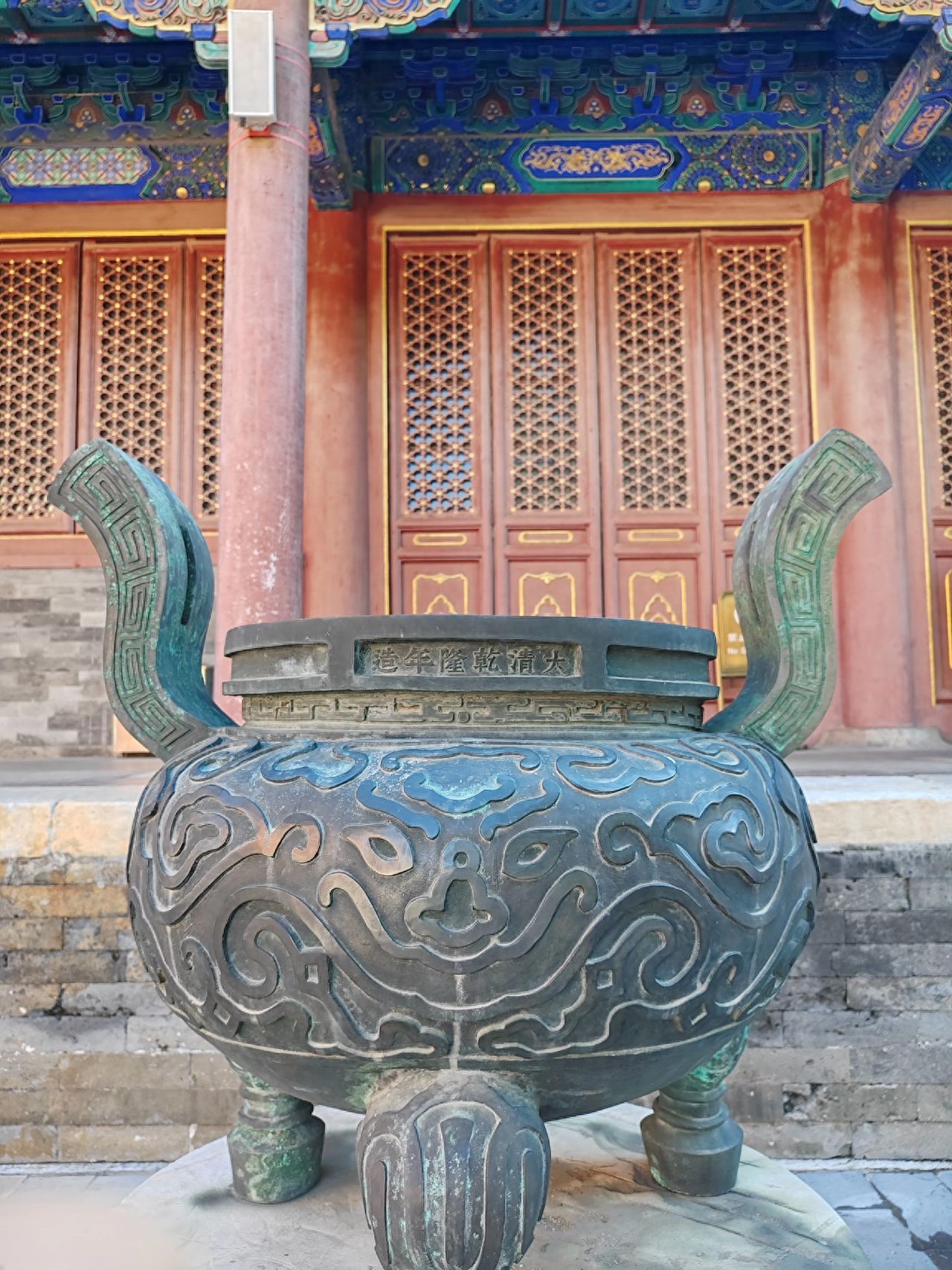
The incense burner is positioned at the center of the frame, highlighting its intricate patterns and the inscription “Made in the Great Qing Dynasty during the Qianlong reign.” The background includes red carved windows and doors, as well as the colorful eaves above, enhancing the atmosphere of the ancient architecture. The shot encompasses the entire incense burner and part of the building's top, balancing the focus on the main subject with its surroundings.

The Temple of Emperors - Bronze Ding made in the Qianlong era of the Qing Dynasty
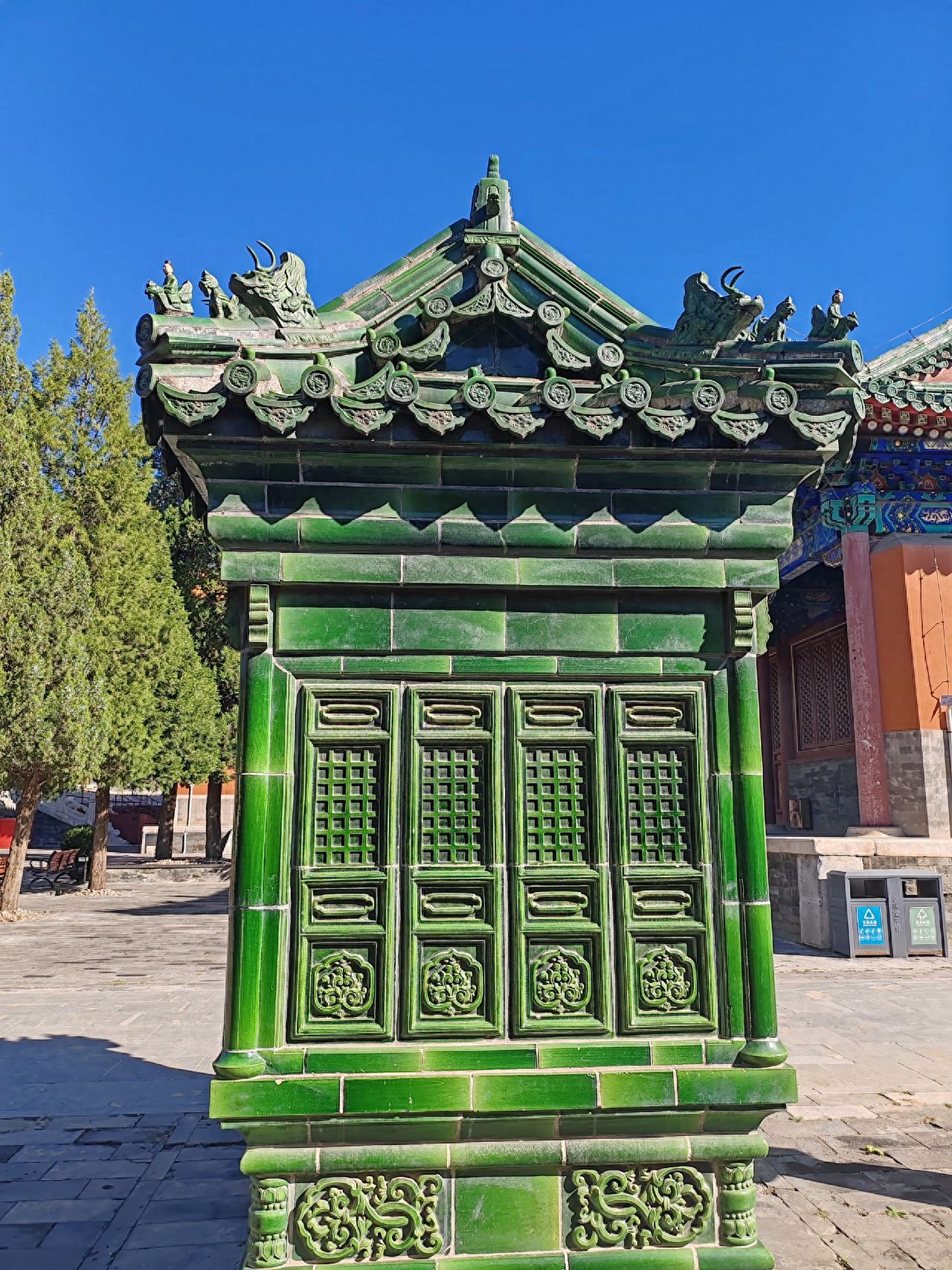
In terms of composition, a centered approach is used, placing the main building in the center of the frame and utilizing its symmetrical structure to enhance the sense of solemnity. The background incorporates a clear blue sky, highlighting the color contrast between the emerald green roof tiles and the blue sky. The lens appropriately retains a few trees and adjacent buildings on either side, adding depth to the environment.

Travel Tips:
① Ticket Price: 20 RMB per person;
② Opening Hours: 09:00-17:00 (last entry at 16:30), closed on Mondays.

Beijing Temple of Earth and Ancestral Temples - Green glazed architecture and greenery
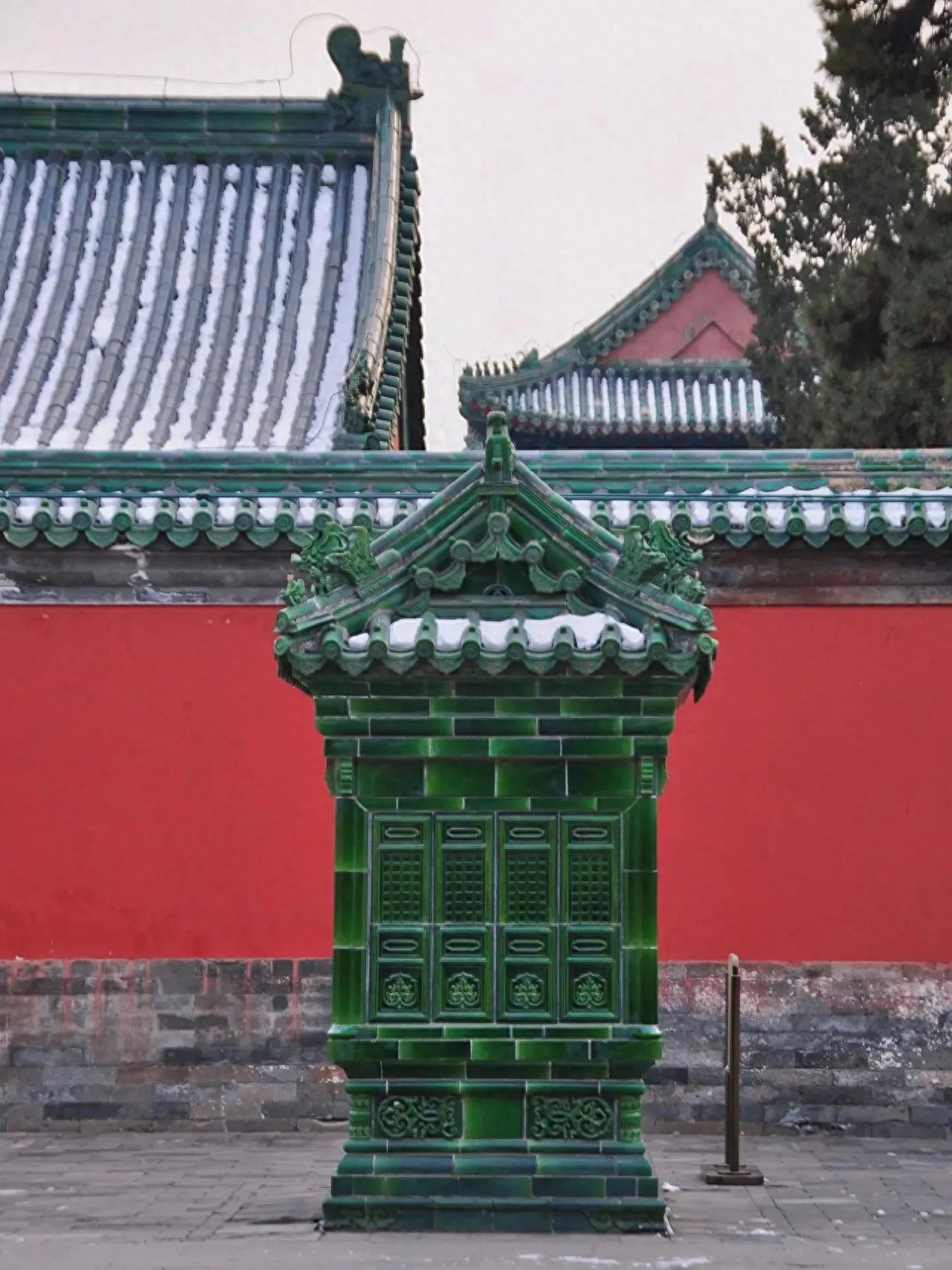
1. Positioning: The photographer stands directly in front of the green glazed incense burner, shooting at eye level.
2. Composition: Utilize central composition, placing the green glazed incense burner at the center of the frame to highlight the main subject; use contrast composition, with the green incense burner, red walls, and white snow creating a vivid color contrast.
3. Lens Usage: Use a standard lens to accurately represent the proportions and spatial relationships of the incense burner and its surroundings.

The Temple of Emperors - Green Glazed Censer
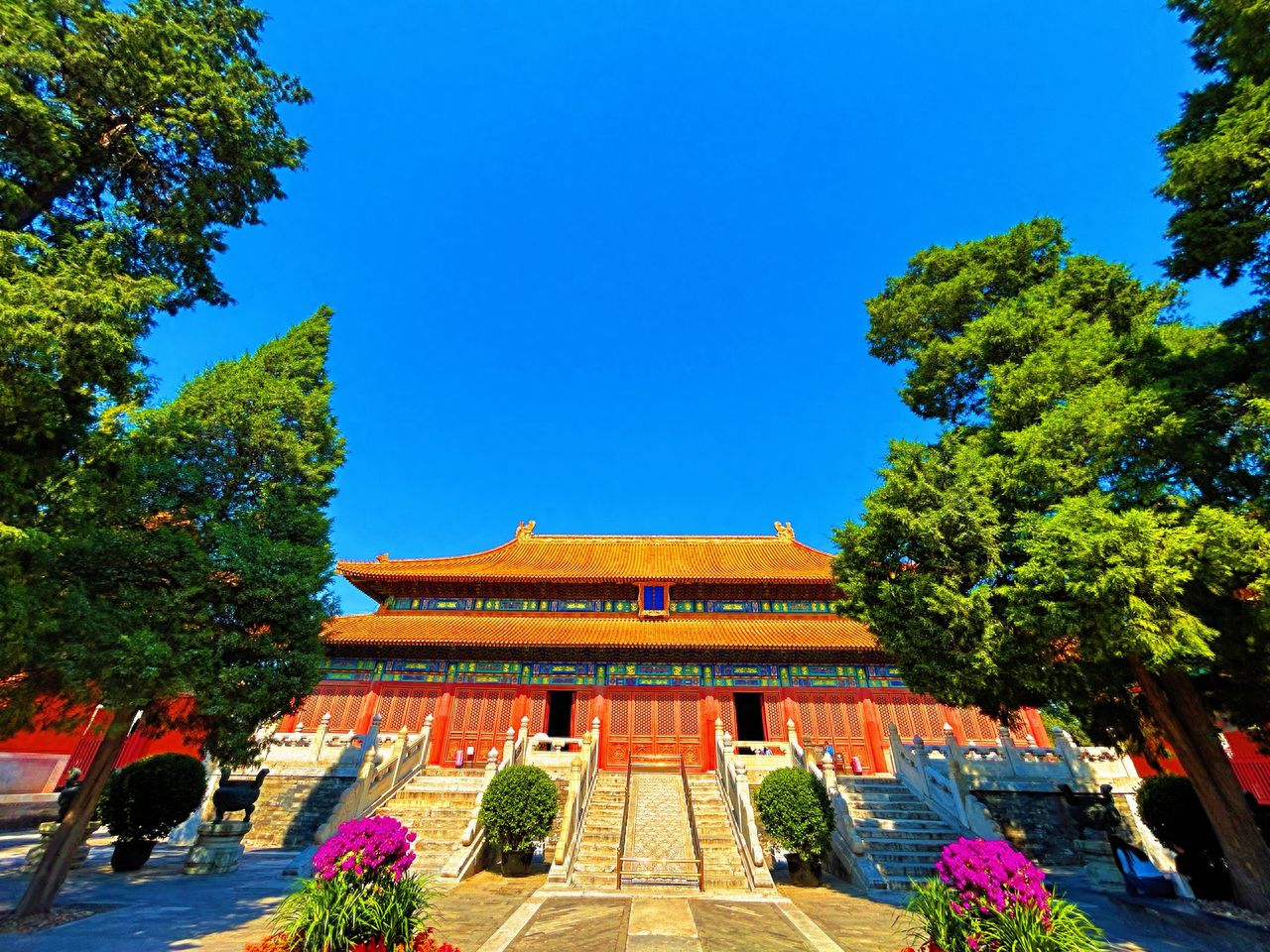
Photo by The Temple of Emperors - Temple architecture, steps, and trees

The Temple of Emperors - Temple architecture, steps, and trees